As parents and caregivers, we all dream of the moment our little one picks up a book and starts reading on their own. The exciting news? You can begin building strong preschool reading readiness long before formal schooling starts — and it’s easier (and more fun) than you might think!
Preschool reading readiness isn’t about forcing three-year-olds to sit still and decode words. It’s about creating a joyful foundation of skills — especially phonics — that will make learning to read feel natural and exciting when the time comes. In this comprehensive guide, we’ll explore proven, play-based phonics strategies, including alphabet songs, daily book routines, and teaching letter sounds in ways that stick.
Let’s dive in and watch your child’s confidence (and love for books) grow!
Why Phonics Matters for Preschool Reading Readiness
Phonics is the understanding that letters and groups of letters represent specific sounds in spoken language. Research consistently shows that children with strong early phonics skills become more confident, fluent readers later on.
The beautiful part? You don’t need flashcards or worksheets to teach phonics effectively. Preschoolers learn best through play, music, movement, and real-life conversations. When we weave letter sounds and phonemic awareness into everyday moments, children absorb these concepts effortlessly.
Think of phonics as the secret code that unlocks reading. The earlier children who crack that code early rarely struggle later.
Fun Ways to Introduce Letter Sounds (Without the Pressure)
Start with Alphabet Songs — But Make Them Meaningful
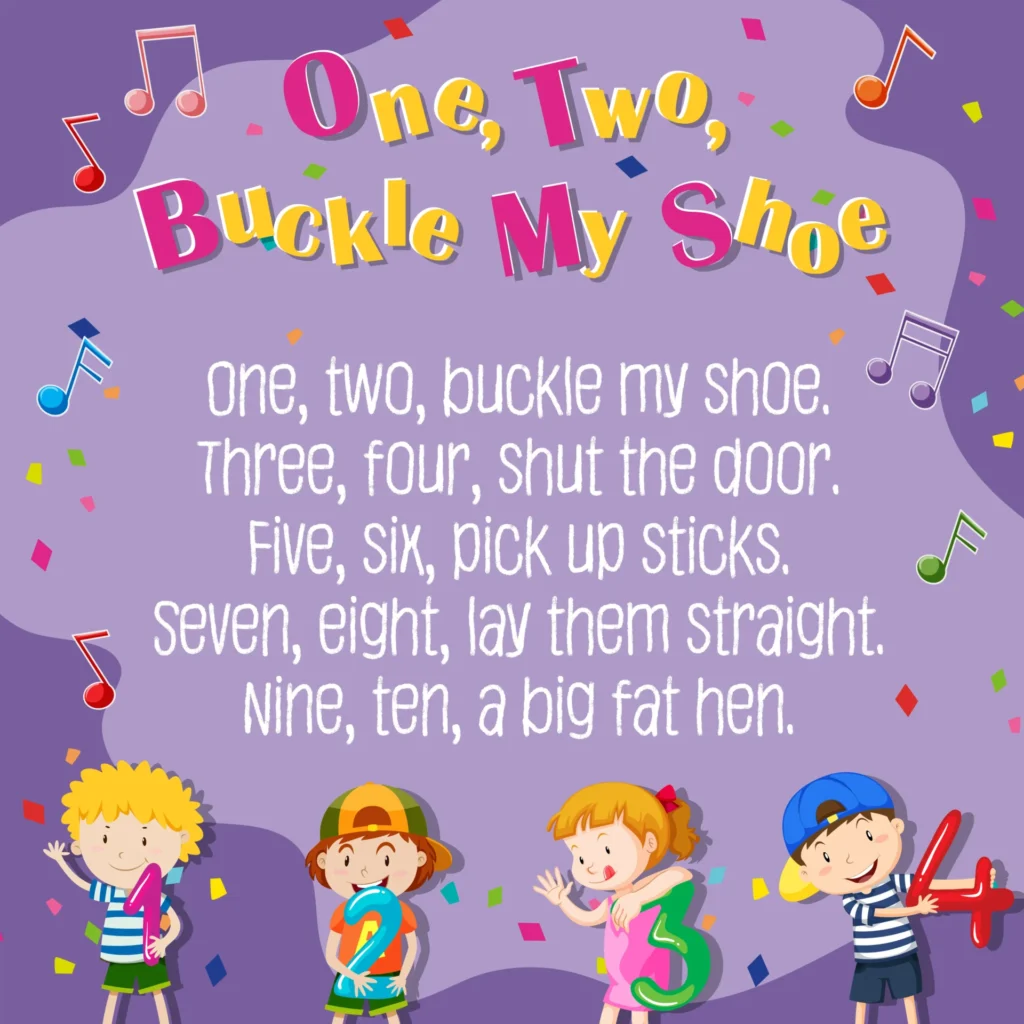
Everyone knows the classic ABC song, but did you know there are dozens of slower, clearer alphabet songs that actually emphasize letter sounds instead of just letter names?
Try singing:
- “A says /ă/, /ă/, apple…”
- “B says /b/, /b/, ball…”
These simple tweaks help children connect the visual letter with its most common sound from the very beginning.
Real-life example: When my friend Sarah’s son was 3½, he only knew letter names. After two weeks of singing a phonics-based alphabet song during bath time, he started pointing at the letter M on a cereal box and saying “/m/ says mmm like milk!” The lightbulb moment was priceless.
Play “I Spy” with Sounds (Not Just Colors)
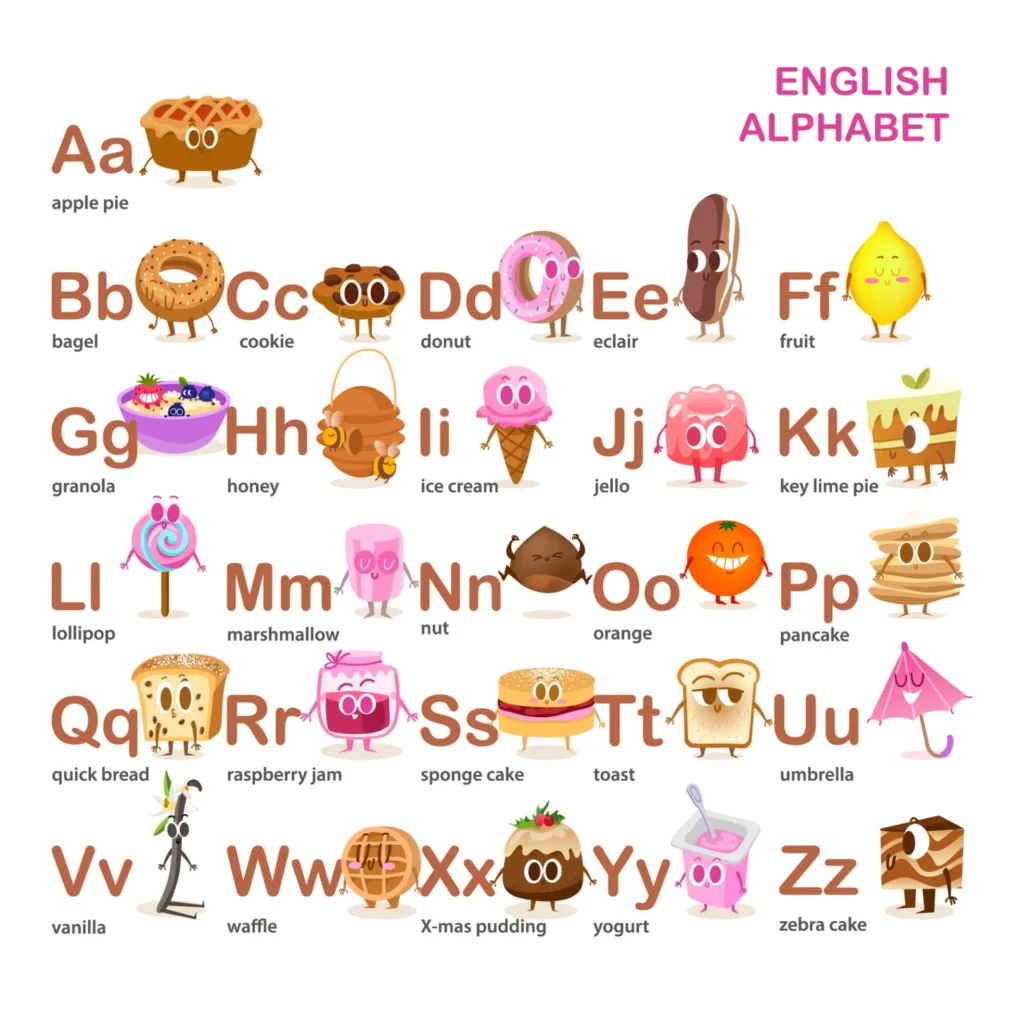
Turn the classic car game into a powerful phonics activity:
“I spy something that starts with /s/…” (Answer: sun, sock, seatbelt, etc.)
This game builds phonemic awareness — the ability to hear and play with individual sounds in words — which is one of the strongest predictors of future reading success.
Building Powerful Book Routines That Boost Reading Readiness
Daily book routines are pure magic for preschool reading readiness. Even 10–15 minutes a day makes a measurable difference.
Make Reading Interactive and Sound-Rich
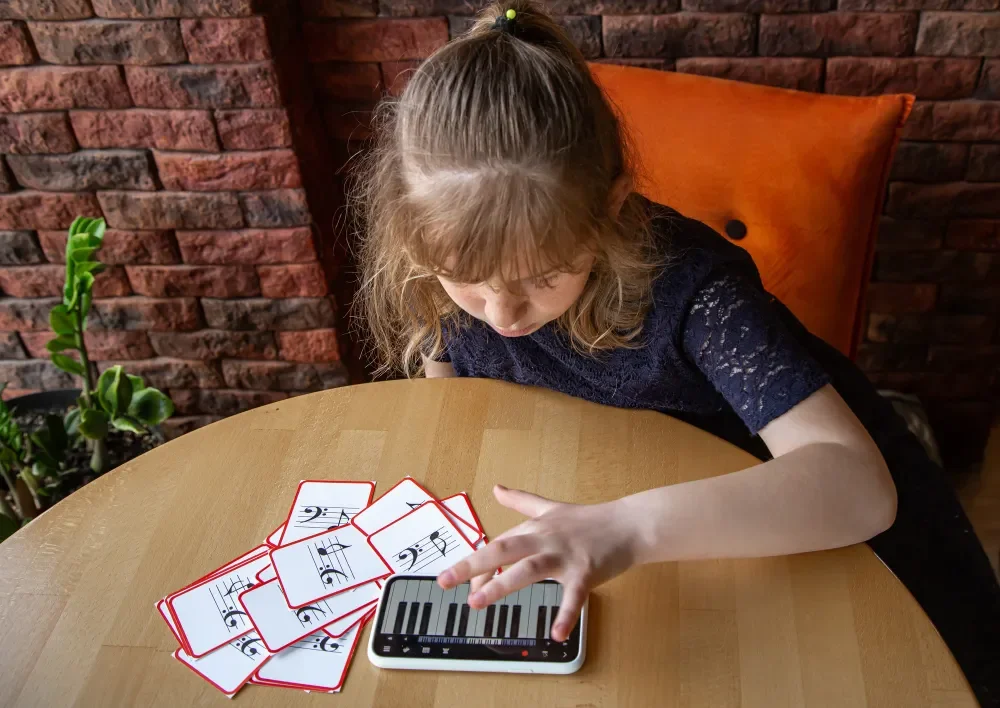
Instead of just reading the text, pause and play with sounds:
- “Listen… ‘The cat sat on the mat.’ Cat starts with /k/. Can you hear the /k/ sound?”
- “Hat, cat, bat — they all end with /t/! Let’s clap when we hear /t/!”
These tiny interactions train little ears to notice sounds in words — a critical pre-reading skill.
Create a Cozy “Reading Nest”
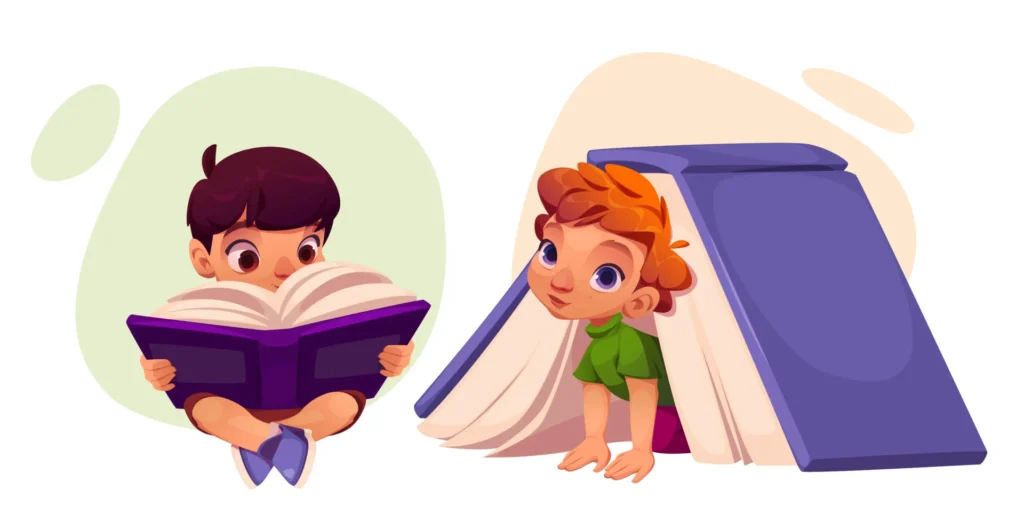
Designate a special spot with pillows, stuffed animals, and a basket of books. Let your child “read” to their toys using the pictures. You’ll be amazed at how quickly they start using real letter sounds and book language.
Pro parent tip: Rotate just 5–7 books each week. Familiarity helps children predict text and play with sounds confidently.
Hands-On Phonics Activities Your Preschooler Will Beg to Repeat
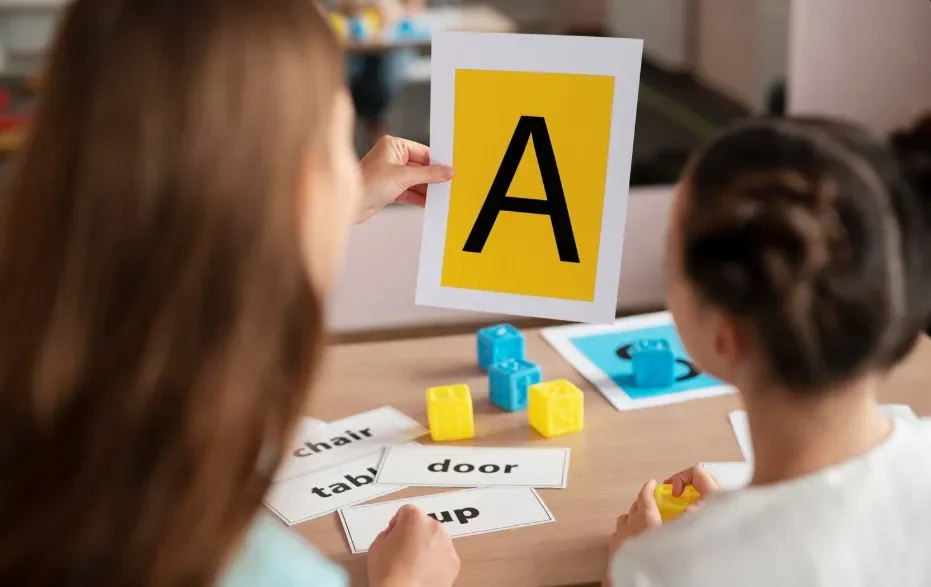
Sensory Letter Hunt
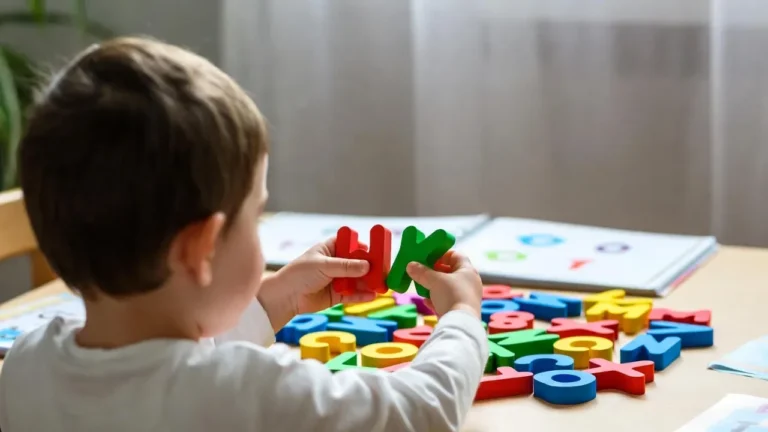
Fill a shallow bin with rice, beans, or shaved crayons. Hide magnetic or foam letters inside. As your child digs them out, say: “You found M! M says /m/ like mommy and monkey!”
Sound Baskets
Collect small objects or pictures in baskets labeled with a focus letter sound:
- /s/ basket: sock, sun, sandwich, snake, soap
- /b/ basket: ball, bear, button, banana
Let your child sort and name items while emphasizing the beginning sound.
Jump-the-Sound Game
Write letters on the floor with chalk or tape. Call out a sound (“/p/!”) and have your child jump to the correct letter. Add silly movements — hop for /h/, wiggle for /w/ — and watch the giggles (and learning) explode.
Step-by-Step Guide: Teaching Letter Sounds the Playful Way
| Step | Action | Example & Why It Works |
|---|---|---|
| 1 | Introduce 1–2 new letter sounds per week (focus on lowercase first) | Start with s, a, t, p, i, n — these make lots of words fast! |
| 2 | Use a multi-sensory approach (see, say, touch, move) | Child traces sandpaper letter while saying /m/ — engages visual, auditory, and tactile pathways |
| 3 | Connect the sound to meaningful words (especially child’s name, family names, favorite things) | “S says /s/ like Sam and spaghetti — your favorite!” |
| 4 | Play with rhymes and word families daily | “Cat, hat, sat, mat — they all end with -at!” |
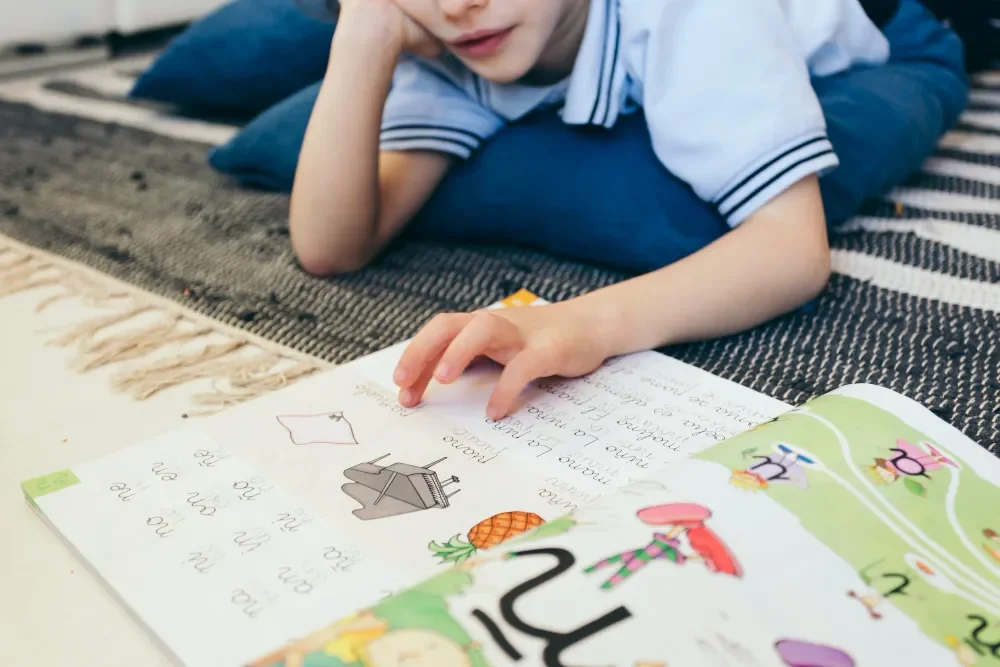
| 5 | Read alphabet and phonics-rich books (see recommendations below) | Dr. Seuss, Bob Books Set 1, “Chicka Chicka Boom Boom” |
| 6 | Celebrate progress — never correct harshly | “You’re getting so good at hearing that /b/ sound!” |
Common Challenges (and How to Solve Them)
“My child only wants to look at pictures, not listen to words.”
Solution: Let them lead! Narrate what they notice in the pictures using rich sound play: “That dog is digging! D-d-dig starts with /d/d/!” Gradually they’ll join in.
“They keep mixing up b and d (or p and q).”
Solution: Totally normal until age 7! Use the “bed” trick: make a bed with your hands (thumbs up, fists together) — the b comes first, just like in the word “bed.”
“They hate sitting still for books.”
Solution: Try active reading! Read while building with blocks, during snack, or in the bathtub with waterproof books. Movement + stories = happy learners.
“I’m worried I’m pushing too hard.”
Solution: Follow your child’s lead. If they’re engaged and smiling, you’re doing it right. Joy is the #1 ingredient in preschool reading readiness.
Long-Term Benefits of Strong Preschool Reading Readiness
Children who enter kindergarten with solid phonemic awareness and basic letter-sound knowledge:
- Learn to read more quickly and with less frustration
- Have higher reading fluency by the end of first grade (vs. mid-second or later)
- Show greater confidence in all academic areas
- Develop a lifelong love of reading
One longitudinal study found that the amount of phonemic awareness a child has at age 5 predicts reading ability all the way through age 13. That’s how powerful these early playful moments are!
Advanced Tips for Parents Who Want to Go Deeper
- Introduce “sound talking” (stretching words): “Let’s get the m-m-m-i-l-k.”
- Play rhyming bingo or odd-one-out games (“Which doesn’t rhyme: cat, hat, dog?”)
- Use magnetic letters on the fridge for daily word building
- Record your child “reading” their favorite book — they’ll love hearing their own voice using letter sounds
Conclusion: Your Child’s Reading Journey Starts Today
Building preschool reading readiness through playful phonics doesn’t require expensive programs or hours of work. It’s about weaving alphabet songs, interactive book routines, and joyful letter sound games into your everyday life.
Start small. Pick one idea from this post — maybe a new alphabet song at breakfast or an “I Spy Sounds” game in the car — and watch your child’s eyes light up with discovery.
You’ve got this. The snuggles, the giggles, and those priceless “I did it!” moments? They’re just around the corner.
Happy reading (and playing)!
Frequently Asked Questions (FAQs)
At what age should I start working on preschool reading readiness?
You can begin playful exposure to letter sounds and books from infancy! Focused phonics games are usually most effective between ages 3–5.
Is it bad to teach letter names and sounds at the same time?
Not at all! Just prioritize sounds (because they help with reading), but most children easily learn both together. Many experts recommend “letter name first, then sound” in the same breath.
My child is 4 and still doesn’t know all their letter sounds. Should I be worried?
Not usually! Every child develops at their own pace. As long as they’re exposed to rich language and playful phonics daily, most catch up beautifully by kindergarten or early first grade.
Are worksheets helpful for preschool reading readiness?
Minimal use is fine, but hands-on, multi-sensory play (games, songs, real objects) is far more effective and enjoyable for this age group.
What are the best books for teaching letter sounds?
Top picks include: “Chicka Chicka Boom Boom,” “Dr. Seuss’s ABC,” “Alphabet Under Construction,” Bob Books Set 1 (Box Set), and “The Hungry Thing” (great for rhyming and sounds).