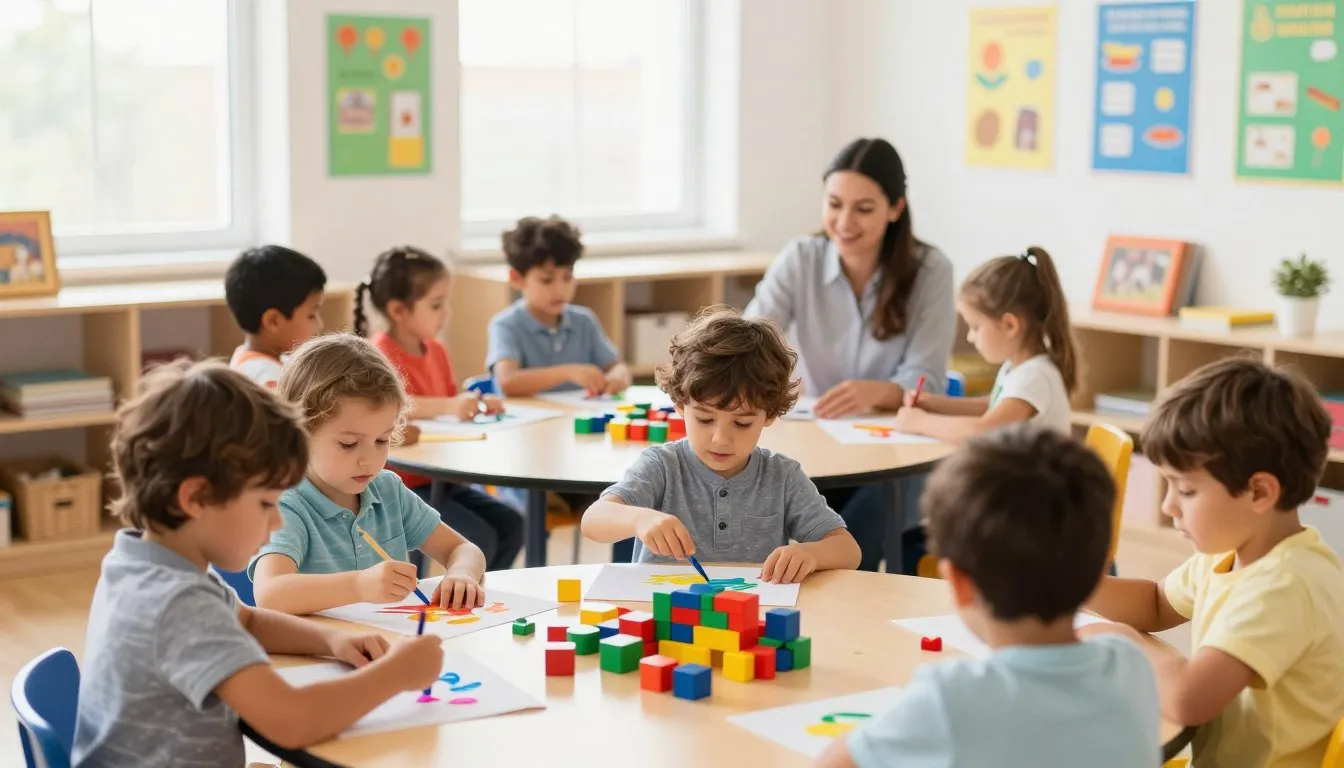
Did you know that play-based learning can significantly enhance a child’s cognitive development? Engaging your child in interactive and educational preschool activities at home can be a great way to foster their growth. As a parent, you want the best for your child, and I’m excited to share with you 10 fun and engaging ways to boost their learning.
These engaging experiences will not only be enjoyable for your child but also promote their overall development. From sensory play to STEM activities, we’ll explore a range of educational experiences that your child will love.
Key Takeaways
- Discover 10 fun and educational preschool activities for home
- Learn how play-based learning enhances cognitive development
- Explore a range of engaging experiences for overall child development
- Understand the importance of early education in a child’s life
- Find out how to make learning fun and interactive at home
1. Sensory Bin Exploration for Tactile Learning
Sensory bin exploration is a fantastic way to encourage tactile learning in preschoolers. By engaging their senses, children can develop their cognitive skills, hand-eye coordination, and fine motor skills.

What You Need for Your Sensory Bin
Creating a sensory bin is simple and requires minimal materials. The key is to choose a container and fill it with a variety of textures that will engage your child’s senses.
Container Options and Base Materials
For a sensory bin, you’ll need a container that’s large enough for your child to dig into. Plastic bins or tubs are ideal. You can fill these containers with a range of base materials such as rice, beans, sand, or even water for a different sensory experience.
Tools and Scoops to Include
To make the sensory bin more interactive, include various tools and scoops. These can be small shovels, cups, spoons, or even kitchen utensils like strainers or measuring cups.
| Tool/Scoop | Purpose |
|---|---|
| Small Shovels | Digging and pouring |
| Cups | Measuring and scooping |
| Spoons | Scooping and stirring |
How to Set Up Sensory Play Safely
Safety is paramount when setting up sensory play. Ensure the area is clean and stable, and always supervise your child during sensory play. Choose materials that are non-toxic and suitable for your child’s age.
Learning Benefits of Sensory Activities
Sensory activities like sensory bin exploration offer numerous learning benefits. They help develop fine motor skills, enhance creativity, and improve cognitive development by encouraging exploration and discovery.
Theme Ideas and Seasonal Variations
To keep sensory bin activities fresh and exciting, you can create theme-based bins. For example, a beach-themed bin could include sand, seashells, and small toy beach creatures. Seasonal variations can also be fun, like a winter-themed bin with fake snow and small snowmen.
2. Rainbow Color Sorting Game
To boost your child’s learning, try the Rainbow Color Sorting Game, a simple yet engaging activity that can be adapted to different age groups and skill levels.
Materials You Can Use for Color Sorting
When it comes to setting up a Rainbow Color Sorting Game, you have a variety of materials to choose from. You can use items you likely have at home, making it an accessible and fun learning activity.
Household Items That Work Perfectly
Some great household items for color sorting include:
- Buttons: A great way to practice fine motor skills while sorting colors.
- Pom-poms: Colorful and fun, pom-poms can be used to create a engaging sorting game.
- Colored paper: Cut into shapes or strips, colored paper is a versatile material for color sorting.
Store-Bought Options
If you prefer to use store-bought materials, you can find a variety of color sorting toys and games online or in educational supply stores. Some popular options include:
- Color sorting toys: Specifically designed for color sorting, these toys often come with different shapes and colors.
- Rainbow-colored blocks: Great for developing fine motor skills and hand-eye coordination.

Step-by-Step Instructions for the Game
To set up the Rainbow Color Sorting Game, follow these simple steps:
- Gather materials: Choose the materials you want to use for color sorting.
- Create categories: Decide on the color categories you want your child to sort into.
- Sort and play: Have your child sort the materials into the different color categories.
Cognitive Skills Your Child Will Develop
The Rainbow Color Sorting Game helps develop several important cognitive skills in your child, including:
- Color recognition: Your child will learn to identify and distinguish between different colors.
- Problem-solving: Sorting colors requires problem-solving skills and critical thinking.
- Fine motor skills: Depending on the materials used, your child will practice fine motor skills by picking up and sorting objects.
Ways to Increase Difficulty as They Improve
As your child becomes more confident in their color sorting abilities, you can increase the difficulty level by:
- Adding more colors: Introduce new colors to the sorting game to challenge your child.
- Using different shades: Sort objects by different shades of the same color to increase complexity.
- Combining shapes and colors: Add an extra layer of challenge by sorting objects by both shape and color.
3. DIY Playdough Math Activities
I’ve discovered that homemade playdough is an excellent tool for teaching various math concepts to young children. By incorporating DIY playdough into math activities, you can create a fun and interactive learning experience that fosters a deep understanding of mathematical principles.
My Favorite Homemade Playdough Recipe
Making homemade playdough is simple and cost-effective. Here’s my favorite recipe:
- 2 cups of flour
- 1/2 cup of warm water
- 1/4 cup of salt
- 2 tablespoons of vegetable oil
- 2 tablespoons of cream of tartar
- Food coloring (optional)
Mix all the ingredients together until you get a smooth, pliable dough. You can adjust the consistency by adding more water or flour as needed.
Counting and Number Recognition Games
Playdough is a versatile tool for teaching counting and number recognition. Here are a few activities you can try:
Making Number Snakes
Have your child create number snakes using the playdough, with each segment representing a different number. This activity helps develop their understanding of number sequences.
Counting Objects and Groups
You can use playdough to create various objects and group them together, teaching your child to count and recognize different quantities.

Shape Learning with Playdough
Playdough is an excellent medium for teaching shapes. You can create different shapes and have your child identify and replicate them.
| Shape | Description | Playdough Activity |
|---|---|---|
| Circle | A round shape with no corners | Create a circle using playdough and have your child roll it into a ball |
| Square | A four-sided shape with equal sides | Make a square shape using playdough and have your child count the sides |
| Triangle | A three-sided shape | Create a triangle using playdough and have your child identify the corners |
Pattern Making and Sequencing Activities
Playdough can be used to create patterns and sequences, teaching your child about repetition and order. You can create a pattern using different shapes or colors and have your child continue it.
By incorporating DIY playdough into your child’s math activities, you’re providing them with a fun and interactive way to learn and understand various mathematical concepts. This approach not only develops their math skills but also enhances their creativity and fine motor skills.
4. Nature Scavenger Hunt Adventure
I love taking my preschoolers on a nature scavenger hunt to teach them about the world around them. It’s an engaging outdoor activity that not only promotes physical health but also encourages an appreciation for nature and learning.
Planning Your Outdoor Scavenger Hunt
Before heading out, it’s essential to plan your scavenger hunt. This involves choosing the right location and considering the age of your children.
Best Locations for Different Ages
For younger preschoolers, a backyard or a local park with familiar flora and fauna is ideal. For older children, you can consider nearby woods or nature reserves that offer a variety of landscapes and challenges.
Safety Considerations
Always ensure your child’s safety during the scavenger hunt. This means:
- Supervising them at all times
- Choosing locations free from hazards
- Educating them on basic outdoor safety rules
Creating an Age-Appropriate Hunt List
Your scavenger hunt list should be tailored to your child’s age and abilities. For younger children, this might include simple items like leaves, flowers, or specific colors. For older children, you can add more complex items or challenges.

Learning Through Nature Exploration
Nature scavenger hunts are not just fun; they’re also a rich learning experience. Children learn about different species, ecosystems, and the importance of conservation.
| Learning Aspect | Activities | Benefits |
|---|---|---|
| Nature Awareness | Identifying plants and animals | Understanding biodiversity |
| Observation Skills | Noticing details in nature | Improving attention to detail |
| Physical Activity | Walking, running during the hunt | Enhancing physical health |
Indoor Nature Hunt Alternatives
If outdoor activities are not feasible, you can create an indoor nature scavenger hunt. This could involve items you have at home, like houseplants, or using pictures and videos of nature.
By incorporating nature scavenger hunts into your child’s routine, you’re not only providing them with a fun activity but also instilling a lifelong appreciation for the natural world.
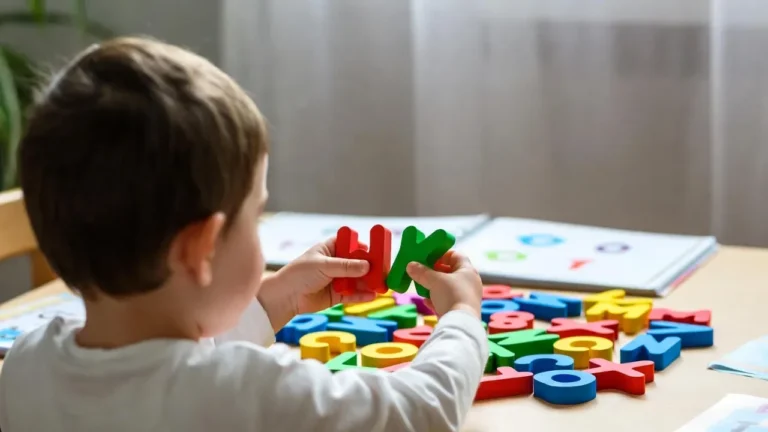
5. Alphabet Letter Recognition Games
I’ve discovered some engaging alphabet letter recognition games that can help your child develop their literacy skills. These activities are designed to be fun and interactive, making learning a delightful experience for preschoolers.
Letter Hunt Around the House
One of the simplest and most effective ways to teach alphabet letter recognition is by organizing a letter hunt around the house. You can hide large cut-out letters or objects that start with a specific letter sound, and have your child search for them. This activity not only teaches letter recognition but also encourages physical activity and exploration.
- Start with a few letters and gradually increase the number as your child becomes more confident.
- Use a mix of uppercase and lowercase letters to help your child understand the difference.
- Make it more challenging by giving clues related to the letter sound or object.
Interactive Alphabet Matching Activities
Interactive alphabet matching activities are another great way to develop your child’s alphabet recognition skills. You can use various materials for this activity, such as:
- Magnetic letters on the fridge or a metal board.
- Alphabet flashcards with matching games.
- Letter tiles or wooden letters for a tactile experience.
Using Magnetic Letters
Magnetic letters are a versatile tool for alphabet learning. You can arrange them to spell simple words, demonstrate letter sequences, or create a scavenger hunt. I find that my child enjoys rearranging the letters to form their name or simple words, which helps with letter recognition and spelling.

In addition to recognizing letters, it’s essential for your child to learn how to write them. You can use worksheets with letter tracing activities or practice writing letters in a sandbox, on a chalkboard, or with finger paints. This multi-sensory approach helps reinforce their learning.
Early Literacy Skills Development
Engaging in alphabet letter recognition games lays the foundation for early literacy skills. By making these activities fun and engaging, you can foster a love for reading and learning in your child. Some key benefits include:
- Improved letter recognition and spelling.
- Enhanced phonological awareness.
- Better preparation for reading and writing.
Adapting Activities for Different Skill Levels
It’s crucial to adapt these activities according to your child’s skill level. For younger or less experienced children, start with a smaller set of letters and gradually increase the complexity. For more advanced learners, you can introduce more complex letter combinations or focus on letter sounds and word building.
By incorporating these alphabet letter recognition games into your daily routine, you can provide your child with a strong foundation in literacy skills, setting them up for success in their educational journey.
6. Simple STEM Building Challenges
As a parent, encouraging your child to engage in simple STEM building challenges can significantly enhance their problem-solving abilities. STEM activities for young children are designed to be fun and engaging while laying the foundation for more complex concepts later in life.

Building Materials Perfect for Young Children
When it comes to STEM building challenges, the materials you choose are crucial. You want to ensure they are safe, durable, and conducive to creative building.
Blocks and Wooden Toys
Blocks and wooden toys are timeless favorites among children and are excellent for developing their spatial awareness and fine motor skills. They come in various shapes and sizes, allowing for a wide range of building possibilities.
Recyclable Materials for Building
Incorporating recyclable materials into building activities not only teaches children about sustainability but also encourages creativity. Items like cardboard tubes, egg cartons, and old CDs can become anything a child imagines.
Age-Appropriate Construction Challenges
To keep your child engaged, it’s essential to provide them with age-appropriate construction challenges. For younger preschoolers, simple tasks like building a tower with blocks can be both fun and educational.
- For 3-year-olds: Building a simple structure using blocks.
- For 4-year-olds: Creating a bridge with specific materials.
- For 5-year-olds: Designing a complex structure with multiple components.
STEM Concepts Your Child Learns Through Building
Through building activities, children learn various STEM concepts, including geometry, physics, and engineering principles. They understand how different shapes fit together and how structures can be both stable and unstable.
Key Concepts Include:
- Understanding balance and gravity.
- Learning about different shapes and their properties.
- Developing problem-solving skills through trial and error.
Questions to Ask While They Build
Asking the right questions while your child is building can significantly enhance their learning experience. It encourages them to think critically about their creations and the process involved.
Examples of Questions to Ask:
- What do you think will happen if you add more blocks on top?
- How did you decide to build it that way?
- What materials do you think would work best for this project?
7. Creative Art Projects with Household Items
Discover how to turn ordinary household items into extraordinary art projects that will captivate your preschooler’s imagination. Engaging in creative activities with materials you already have at home not only fosters creativity but also promotes learning and fun.
Art Supplies You Already Have at Home
Before you start any art project, it’s essential to gather the necessary materials. The good news is that you likely have many of these supplies already at home. Some of the most versatile items include:
- Paper plates
- Old newspapers
- Cardboard tubes
- Empty egg cartons
- Various types of fabric scraps
These household items can be transformed into a variety of creative projects, from masks and collages to sculptures and more.
Easy Art Project Ideas I Love
Here are some simple yet engaging art project ideas that you can try with your preschooler:
Paper Plate Creations
Paper plates are incredibly versatile. You can turn them into masks, hats, or even decorative items for your home. For example, cutting out eyes and decorating the plate can create a fun mask.
Painting with Unusual Tools
Experimenting with different tools for painting can add an extra layer of excitement to art projects. Try using sponges, Q-tips, or even household items like potato mashers or combs to create unique textures.
| Art Project | Materials Needed | Skills Developed |
|---|---|---|
| Paper Plate Masks | Paper plates, scissors, glue, paint | Fine motor skills, creativity |
| Unusual Painting | Paper, paint, sponges, Q-tips, household items | Creativity, fine motor skills |

Fine Motor and Creative Development Benefits
Engaging in art projects with household items offers numerous benefits for preschoolers, including the development of fine motor skills through activities like cutting, gluing, and painting. Additionally, these projects foster creativity and self-expression, allowing children to explore different materials and techniques.
How I Display and Celebrate Their Artwork
Displaying your child’s artwork is a great way to encourage their creativity and make them feel proud of their accomplishments. Consider creating a dedicated space in your home for their art, such as a fridge gallery or a wall display. You can also rotate their artwork periodically to keep things fresh and exciting.
By embracing creative art projects with household items, you’re not only reducing waste but also providing your preschooler with a fun and engaging way to learn and grow.
8. Music and Movement Activities
As a parent, I’ve seen firsthand how music and movement activities can boost a child’s energy and focus. Incorporating these activities into daily routines can have a significant impact on a preschooler’s development.
Musical Games That Teach Rhythm and Patterns
Musical games are an excellent way to introduce preschoolers to rhythm and patterns. Simple games like “Simon Says” or “Follow the Leader” can be adapted to include musical elements, teaching children to follow rhythms and understand patterns.
For example, you can play a song and ask your child to clap or dance along, then suddenly stop the music and have them freeze in place. This game not only teaches rhythm but also helps with self-control and listening skills.
Movement Activities for Gross Motor Skills
Movement activities are crucial for developing gross motor skills in preschoolers. These skills are essential for overall physical development and coordination.
Freeze Dance Variations
Freeze dance is a fun activity that can be modified to suit different ages and abilities. You can play different types of music to challenge your child’s listening and movement skills.
- Play fast music for energetic movements.
- Use slow music for more controlled movements.
- Incorporate sudden stops to practice self-control.
Action Songs with Learning Components
Action songs that include learning components can enhance both physical and cognitive development. Songs that involve counting, alphabet recitation, or simple instructions can be particularly beneficial.
For instance, singing “The Wheels on the Bus” involves actions that mimic the bus’s parts moving, teaching children about cause and effect while promoting physical activity.
Physical and Cognitive Benefits Combined
Combining physical and cognitive development through music and movement activities provides a holistic approach to learning. These activities not only improve gross motor skills but also enhance cognitive functions such as memory, attention, and problem-solving.
| Activity | Physical Benefit | Cognitive Benefit |
|---|---|---|
| Freeze Dance | Gross motor skills, self-control | Listening skills, following instructions |
| Action Songs | Coordination, balance | Memory, language development |
| Musical Games | Energy release, physical fitness | Rhythm recognition, pattern understanding |
Making Simple Homemade Instruments
Creating simple homemade instruments can be a fun and educational activity. Using household items like pots, pans, wooden spoons, and rice-filled containers, you can make instruments that produce different sounds.

This activity not only fosters creativity but also introduces children to the concept of sound production and music creation.
9. Pretend Play Kitchen and Store
Imaginative play with a pretend kitchen and store helps children develop essential life skills in a fun and interactive way. By setting up these dramatic play spaces, you can encourage your child to engage in role-playing scenarios that foster creativity, social skills, and cognitive development.
Setting Up Dramatic Play Spaces on a Budget
Creating a pretend play kitchen and store doesn’t have to be expensive. You can repurpose household items to create a realistic and engaging play area. For example, you can use old kitchen utensils, empty food containers, and cardboard boxes to create a play kitchen.

Role-Playing Scenarios That Teach Life Skills
Role-playing scenarios in a pretend kitchen and store help children learn various life skills. These scenarios can range from cooking and serving food to managing a store and handling customer transactions.
Restaurant and Cooking Play
In a pretend kitchen, children can engage in restaurant and cooking play, learning about measurements, following recipes, and serving others. This type of play enhances their fine motor skills and hand-eye coordination.
Grocery Store Math Games
In a pretend store, children can play at being cashiers, customers, and store managers, learning basic math concepts like counting money and making change. This play helps develop their problem-solving skills and understanding of numbers.
| Life Skill | Pretend Play Activity | Benefit |
|---|---|---|
| Cooking | Preparing meals in a pretend kitchen | Fine motor skills, following recipes |
| Math | Managing money in a pretend store | Basic math concepts, problem-solving |
| Social Skills | Interacting with others during role-play | Communication, empathy, cooperation |
Social and Cognitive Skills Gained Through Pretend Play
Pretend play in a kitchen and store setting helps children develop crucial social and cognitive skills. They learn to share, take turns, and cooperate with others, while also enhancing their problem-solving abilities and creativity.
Rotating Themes to Keep Things Fresh
To keep the pretend play interesting, you can rotate themes and introduce new elements to the play area. For example, you can change the pretend kitchen to a bakery or the store to a boutique, providing a fresh context for imaginative play.
By incorporating these ideas into your child’s playtime, you can create a rich and engaging environment that fosters their overall development.
10. Best Preschool Activities for Daily Routines
Daily routines offer a wealth of opportunities for educational activities that can boost your child’s learning. By incorporating simple yet engaging activities into your daily schedule, you can create a nurturing environment that supports your preschooler’s development.
Morning Routine Learning Opportunities
Starting the day on a positive note can set the tone for a productive morning routine. You can begin by involving your child in simple tasks such as:
- Sorting laundry
- Feeding pets
- Helping with breakfast preparation
These activities not only teach responsibility but also introduce basic concepts like categorization and following instructions.
Turning Mealtime Into Educational Activities
Mealtime can be a great opportunity for learning. You can make mealtime more engaging by:
Cooking Together for Math and Science
Cooking with your child can be a fun way to teach various math and science concepts. For example, measuring ingredients introduces fractions and units of measurement, while observing how ingredients mix and change during cooking demonstrates chemical reactions.
Table Setting and Counting Practice
Setting the table can become a counting exercise. You can ask your child to count the number of plates, utensils, or glasses needed for the meal. This activity enhances their numeracy skills and hand-eye coordination.
| Activity | Learning Benefit |
|---|---|
| Cooking Together | Math and Science Concepts |
| Table Setting | Counting and Numeracy |
Further Reading
Bedtime Learning Games That Calm
Bedtime routines can be a great time for calming activities that also promote learning. Reading bedtime stories, for instance, can enhance language skills and foster a love for reading. You can also engage in gentle conversations about the day’s events, encouraging your child to reflect on their experiences.
Creating Consistent Learning Habits Throughout the Day
Consistency is key to developing learning habits. By incorporating educational activities into your daily routines, you can create a stable and supportive learning environment. This consistency helps reinforce what your child learns and makes it easier for them to absorb new information.
Tips for Consistency:
- Establish a regular daily routine
- Involve your child in planning activities
- Be patient and supportive
Conclusion
By incorporating these 10 fun preschool activities into your daily routine, you can provide your child with a engaging and educational experience that fosters a love for learning.
Play-based learning is an effective way to promote early education, and activities like sensory bin exploration, rainbow color sorting, and DIY playdough math can help develop essential skills in a fun and interactive way.
As you continue to explore different preschool activities, remember to make learning fun and engaging. With consistency and patience, you can help your child develop a strong foundation for future academic success.
By making play-based learning a part of your daily routine, you can give your child the gift of a lifelong love of learning and help them thrive in their early education.
FAQ
What are some fun preschool activities I can do with my child at home?
You can try sensory bin exploration, rainbow color sorting games, DIY playdough math activities, nature scavenger hunts, alphabet letter recognition games, simple STEM building challenges, creative art projects, music and movement activities, pretend play, and incorporating learning into daily routines.
How can I make learning fun for my preschooler?
I recommend incorporating play-based learning activities, such as sensory play, art projects, and music and movement activities, into your daily routine. These activities are not only fun but also promote learning and development.
What are some STEM activities suitable for young children?
Simple STEM building challenges using blocks, wooden toys, and recyclable materials are perfect for young children. You can also try DIY playdough math activities and nature scavenger hunts to encourage STEM learning.
How can I encourage my child to develop their fine motor skills?
You can try creative art projects, such as painting with unusual tools, and DIY playdough activities to help develop your child’s fine motor skills. Playdough is also great for strengthening hand muscles.
What are some ways to make learning a part of our daily routine?
You can turn mealtime into educational activities by cooking together and practicing counting and math skills. You can also use morning and bedtime routines as opportunities for learning, such as practicing alphabet recognition or counting.
Are there any outdoor activities that can promote learning?
Yes, nature scavenger hunts are an excellent way to encourage outdoor exploration and learning. You can create a list of items to find and explore the natural world together.
How can I adapt these activities to suit my child’s skill level?
I recommend observing your child’s interests and abilities and adjusting the activities accordingly. For example, you can increase the difficulty level of the rainbow color sorting game by adding more colors or using different shades.
Can I use household items for these activities?
Yes, many of these activities can be done using household items, such as rice, beans, sand, paper plates, and recyclable materials. Get creative and have fun!