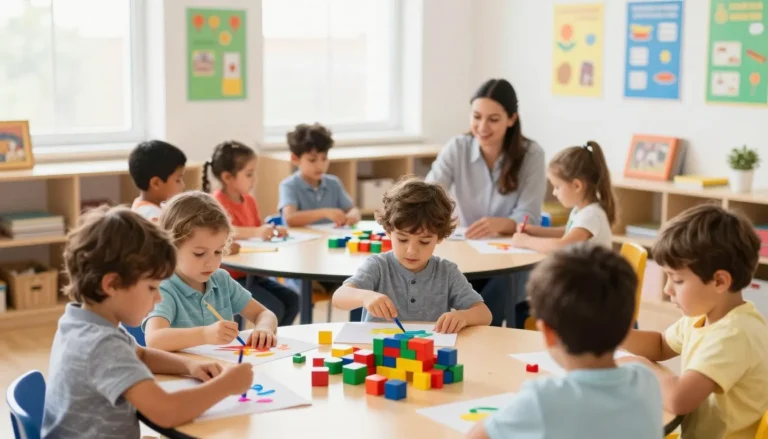
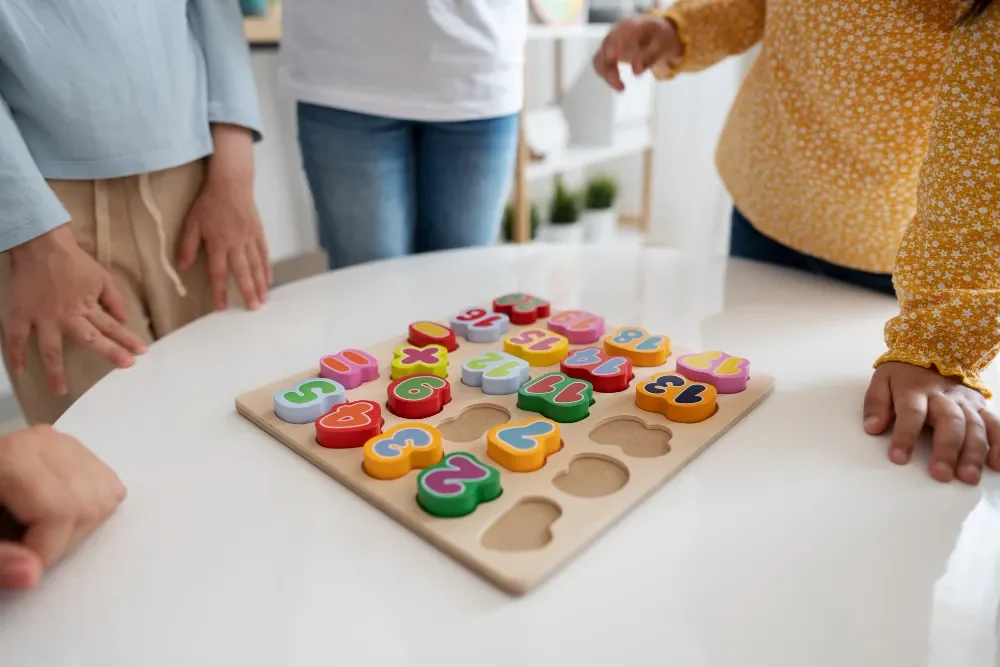
As parents and caregivers, we all want our little ones to learn while having the time of their lives. The good news? The most effective preschool learning games for ages 3-5 don’t feel like “learning” at all—they feel like pure joy! These playful activities lay the foundation for reading, math, problem-solving, emotional regulation, and social skills, all through laughter and exploration.
In this ultimate guide, we’ll explore proven, research-backed preschool learning games (both screen-free and limited-screen options) that support cognitive fun, encourage skill-building play, and often double as wonderful educational toys. Whether you’re a busy parent looking for 10-minute activities or a teacher planning circle-time ideas, you’ll find plenty of inspiration here.
Why Preschool Learning Games Matter More Than Ever
Children aged 3–5 are in what experts call the “preoperational stage” of development. Their brains are wiring at lightning speed—forming up to 1 million new neural connections every second! Play is their natural language, and the right preschool learning games help strengthen:
- Language and literacy skills
- Early math concepts (counting, patterns, shapes)
- Fine and gross motor development
- Social-emotional intelligence
- Creativity and critical thinking
Studies from the American Academy of Pediatrics show that children who engage in regular hands-on, playful learning experiences enter kindergarten with stronger vocabularies and better self-regulation than those who don’t.
Top Categories of Preschool Learning Games That Actually Work
1. Language & Literacy Games
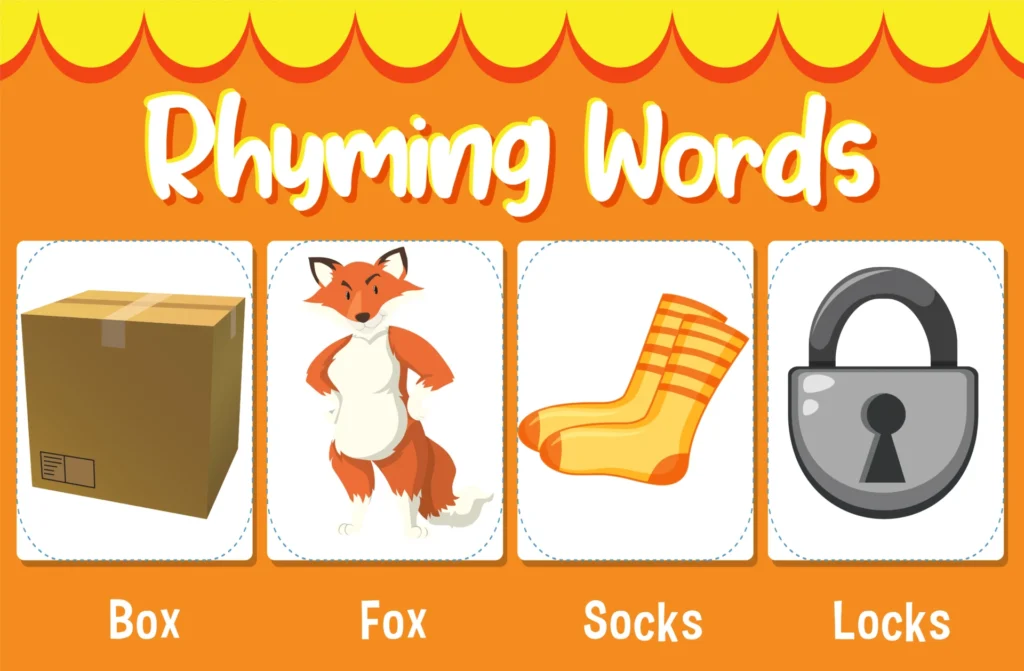
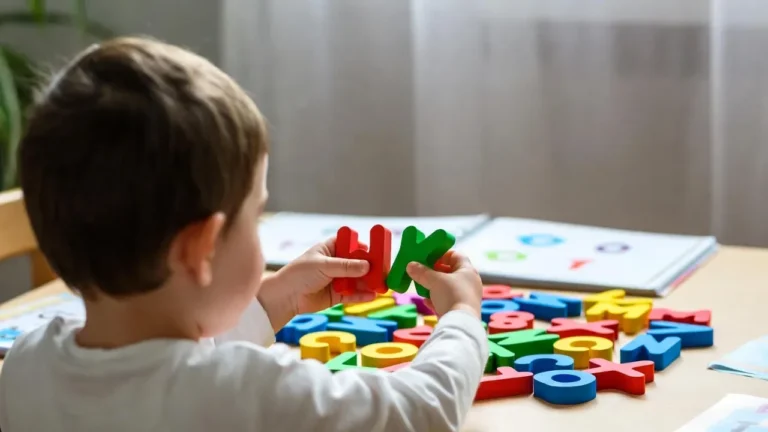
Preschoolers are little sponges when it comes to words. Try these favorites:
- I Spy with Colors & Letters Classic and zero-prep! “I spy something red… I spy something that starts with B!” → Builds phonological awareness and vocabulary.
- Storytelling Basket Fill a basket with random objects (toy dinosaur, scarf, spoon, etc.). Kids pull out 3–4 items and create a silly story. Real example: Mia (age 4) pulled out a plastic banana, a toy car, and a princess crown. Her story? “Once upon a time, Princess Banana drove her race car to the moon!” Pure creativity in action.
- Rhyming Bucket Toss Say a word (“cat”), child throws a beanbag into a bucket while shouting a rhyme (“hat!”). Miss = silly consequence (hop like a bunny).
2. Math & Logic Games (Cognitive Fun at Its Best)
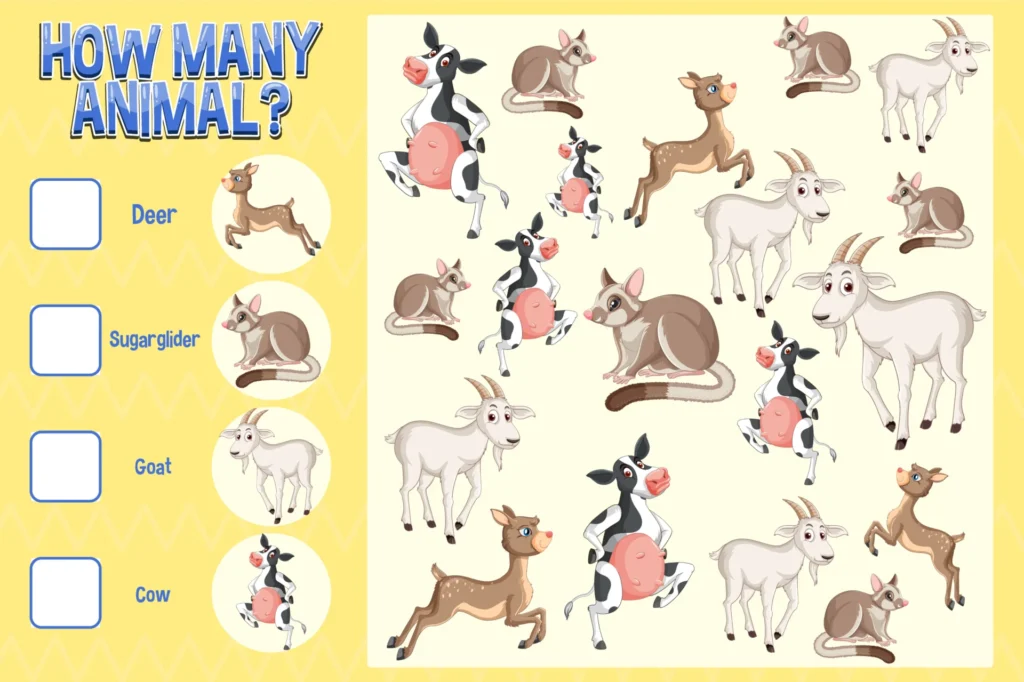
Math doesn’t have to mean worksheets. These preschool learning games sneak in powerful concepts:
- Counting Parking Lot Draw parking spaces on a big cardboard with numbers 1–10. Kids “park” the matching number of toy cars in each spot.
- Shape Scavenger Hunt Give clues: “Find something shaped like a circle… now a rectangle!” Turns the whole house into a geometry lesson.
- Pattern Snakes Use colored beads, LEGO Duplo, or even fruit loops on pipe cleaners to create ABAB or ABC patterns. My preschool class once made a 3-foot-long “candy snake” they were so proud of!
3. Gross Motor + Learning Games
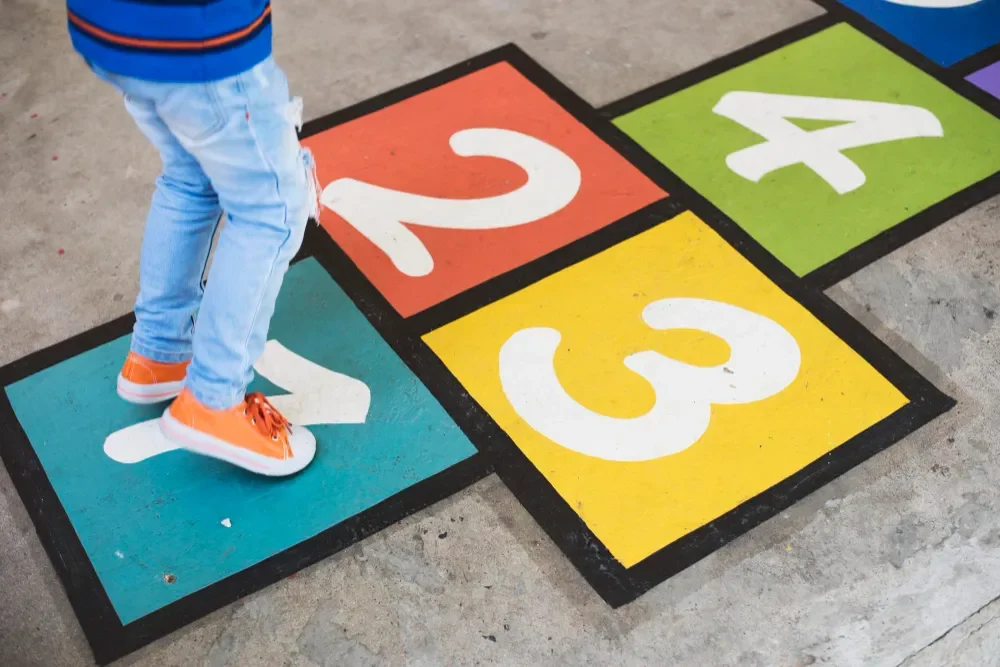
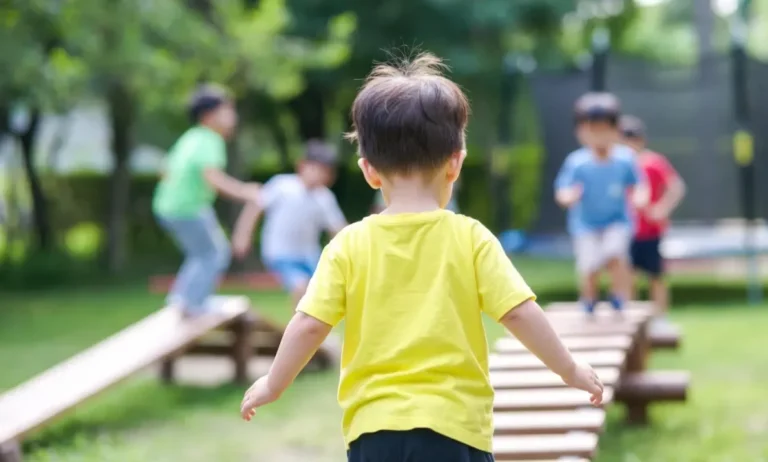
Movement boosts brain development. Combine it with academics for double wins.
- Alphabet Hopscotch Write letters in chalk or painter’s tape on the floor. Call out a letter or sound—child hops to it.
- Freeze Dance Phonetics Play music. When music stops, shout a sound (/m/!). Kids freeze in the shape of something that starts with that sound (arms like a mountain, etc.).
4. Social-Emotional & Cooperative Games
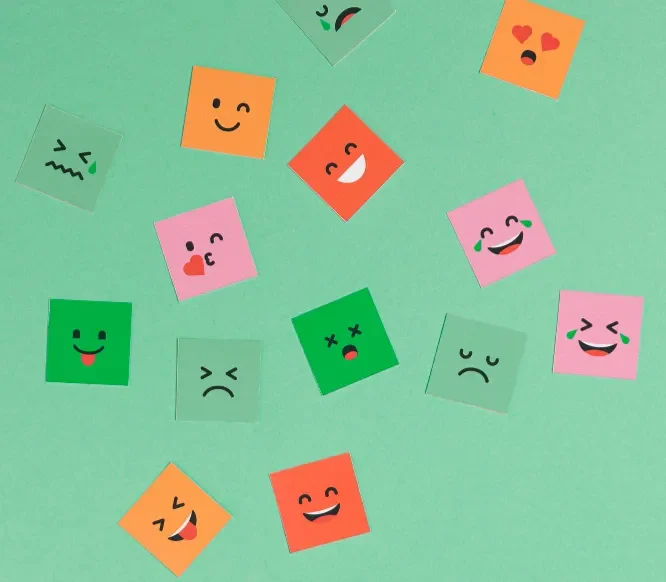
These build empathy and turn-taking—skills just as important as ABCs.
- Emotion Charades Act out “excited,” “frustrated,” “proud.” Others guess and share a time they felt that way.
- The Compliment Game Sit in a circle. Each child gives the person on their right a genuine compliment. Even 3-year-olds melt when they hear “I like how gentle you are with the bunny.”
Best Educational Toys That Double as Learning Games
Not all toys are created equal. Here are parent- and teacher-approved educational toys that inspire hours of skill-building play:
| Toy / Game | Skills Developed | Age Range | Pros | Cons | Approximate Price |
|---|---|---|---|---|---|
| Melissa & Doug Magnetic Pattern Blocks | Spatial reasoning, patterns, fine motor | 3+ | 100+ designs, travel-friendly | Small pieces (choking hazard <3) | $20–25 |
| Learning Resources Spike the Fine Motor Hedgehog | Fine motor, colors, counting | 18mo–5 | Adorable, grows with child | Limited patterns | $15 |
| Osmo Genius Starter Kit (iPad required) | Literacy, math, tangram, drawing | 3–10 | Highly engaging, progress tracking | Requires screen + iPad | $99 |
| Magna-Tiles 100-Piece Set | Creativity, engineering, geometry | 3+ | Open-ended, durable, quiet | Expensive per piece | $120 |
| ThinkFun Zingo Bingo with a Zing | Sight words, matching, turn-taking | 4+ | Fast-paced, multiple award winner | Can get competitive | $22 |
| Fat Brain Toys Squigz | Fine motor, creativity, cause & effect | 3+ | Stick to any smooth surface, silent | Hard to pull apart (adult help) | $25–50 |
How to Choose the Perfect Preschool Learning Game for YOUR Child
Every child is unique. Use this simple 4-step guide:
- Observe their interests Does your child love dinosaurs, music, or building? Lean into it!
- Match developmental stage A 3-year-old needs simpler rules than a 5-year-old ready for basic board games.
- Balance skills Rotate games that target language, math, motor, and social-emotional domains.
- Limit screen time The AAP recommends no more than 1 hour of high-quality educational media per day for ages 2–5. Prioritize hands-on whenever possible.
Common Challenges (and Easy Fixes) When Playing Learning Games
Challenge 1: “My child gets frustrated and quits.” → Lower the difficulty, celebrate effort (“You kept trying—that’s brave!”), or turn it into cooperative play instead of competitive.
Challenge 2: “We don’t have fancy educational toys.” → You don’t need them! Household items like pots, spoons, cardboard boxes, and dry pasta make fantastic learning tools.
Challenge 3: “I’m too tired after work for elaborate games.” → Keep a “5-Minute Fun Box” with quick ideas: play dough, flashcards, puppets. Even 10 focused minutes beats an hour of distracted TV.
Challenge 4: “They only want tablets.” → Set gentle boundaries and pair screen time with discussion (“What do you think will happen next in the story?”) to maximize learning.
Long-Term Benefits You’ll See From Consistent Play
Parents are often amazed at the ripple effects:
- Stronger readers by kindergarten (thanks to rich vocabulary play vocabulary)
- Better self-control and fewer tantrums (executive function improves dramatically through games)
- Increased curiosity and love of learning that lasts a lifetime
- Closer parent-child bond from shared laughter and play
One mom shared: “We started doing 15 minutes of learning games every evening when my son was 3. Now at 6, he reads chapter books and still begs to play ‘pattern snakes’ together. Those moments are priceless.”
Ready to Get Started?
You don’t need a teaching degree or a big budget—just consistency and enthusiasm. Pick one or two preschool learning games from this guide this week. Your child’s eyes lighting up when they “get it” will be the best reward ever.
Start small. Celebrate loud. Watch them soar.
Frequently Asked Questions (FAQs)
Are screen-based games okay for preschoolers?
Yes—in moderation! Choose high-quality apps (like Endless Alphabet, PBS Kids Games, or Osmo) and always co-play or discuss afterward. Limit to 30–60 minutes daily max.
How long should a preschool learning game session last?
10–20 minutes is perfect for ages 3–4; up to 30 minutes for 5-year-olds. Stop while they’re still begging for more—you’ll keep the love of play alive.
My child only wants to play the same game over and over. Is that bad?
Not at all! Repetition builds mastery and confidence. Gently introduce variations (“Let’s count backwards this time!”) when they’re ready.
What’s better—toys or no-cost homemade games?
Both! Quality educational toys are great long-term investments, but cardboard, recycled materials, and imagination often create the richest play experiences.
Can learning games really replace worksheets for preschoolers?
Absolutely. Research shows play-based learning is more effective than drills at this age. Save worksheets for kindergarten and up.