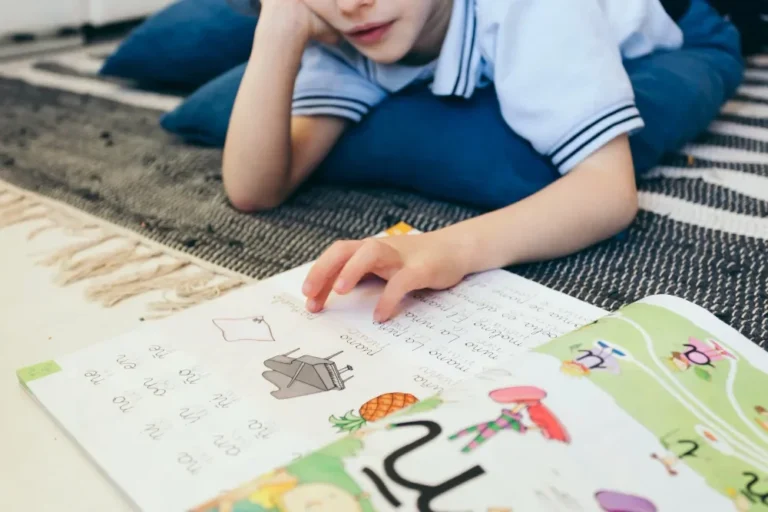
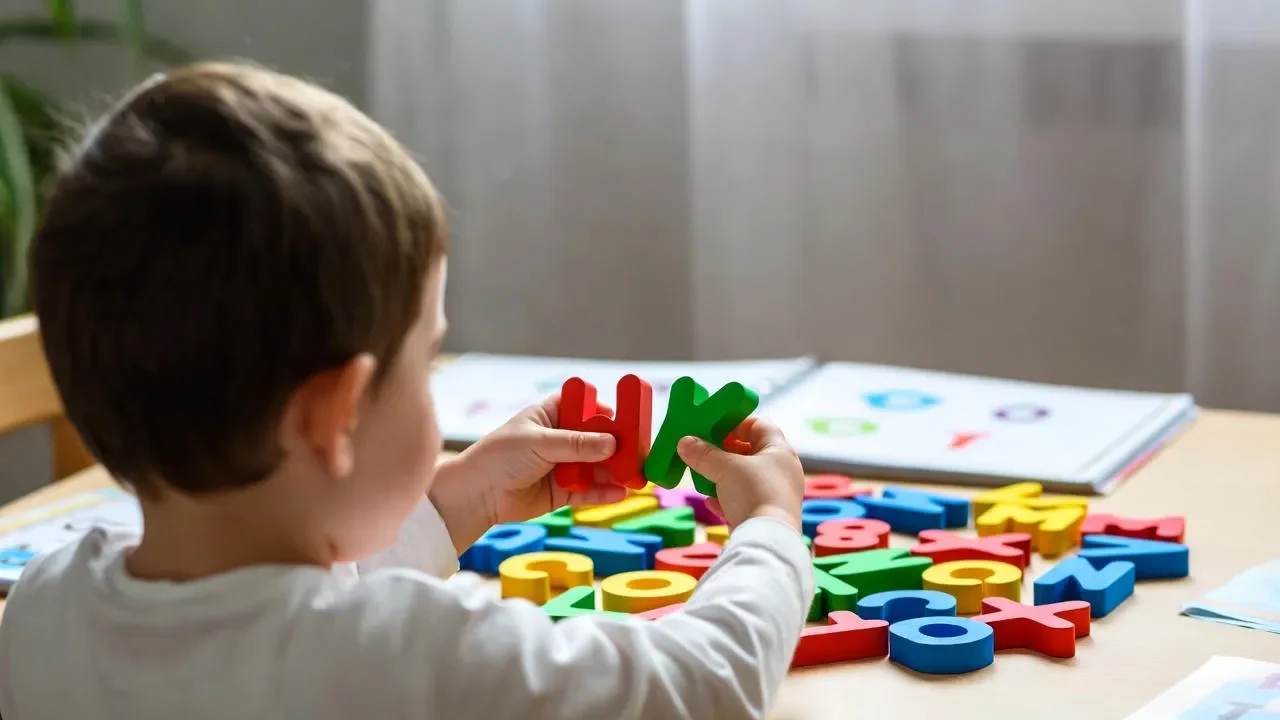
Learning letters is one of the most exciting milestones in a preschooler’s life — and it can be pure joy for parents and teachers too! When children master preschool letter recognition, they unlock the door to reading, writing, and a lifelong love of learning. The best part? It doesn’t have to involve flashcards or worksheets all day. With playful games, hands-on activities, and colorful printables, letter recognition can feel like pure fun.
In this ultimate guide, you’ll find dozens of creative, research-backed, and parent-tested ideas to help your little one recognize both uppercase and lowercase letters — without tears or boredom. Whether you’re a busy parent, a preschool teacher, or a homeschooling family, these preschool letter recognition activities will keep your child engaged while building essential pre-reading skills.
Let’s dive in!
Why Preschool Letter Recognition Matters More Than You Think
Letter recognition is the foundation of literacy. Research from the National Early Literacy Panel shows that children who can identify most letters by the time they enter kindergarten are far more likely to become strong readers.
But it’s not just about academics. Recognizing letters builds:
- Confidence (“I know that one — it’s M for Mommy!”)
- Fine motor skills (through tracing and writing)
- Phonemic awareness (connecting letters to sounds)
- Focus and attention span
The good news? You don’t need fancy curriculum or expensive toys. Everyday items + a dash of creativity = powerful learning moments.
10 Hands-On Preschool Letter Recognition Games (No Worksheets Needed!)
1. ABC Hunts Around the House or Classroom
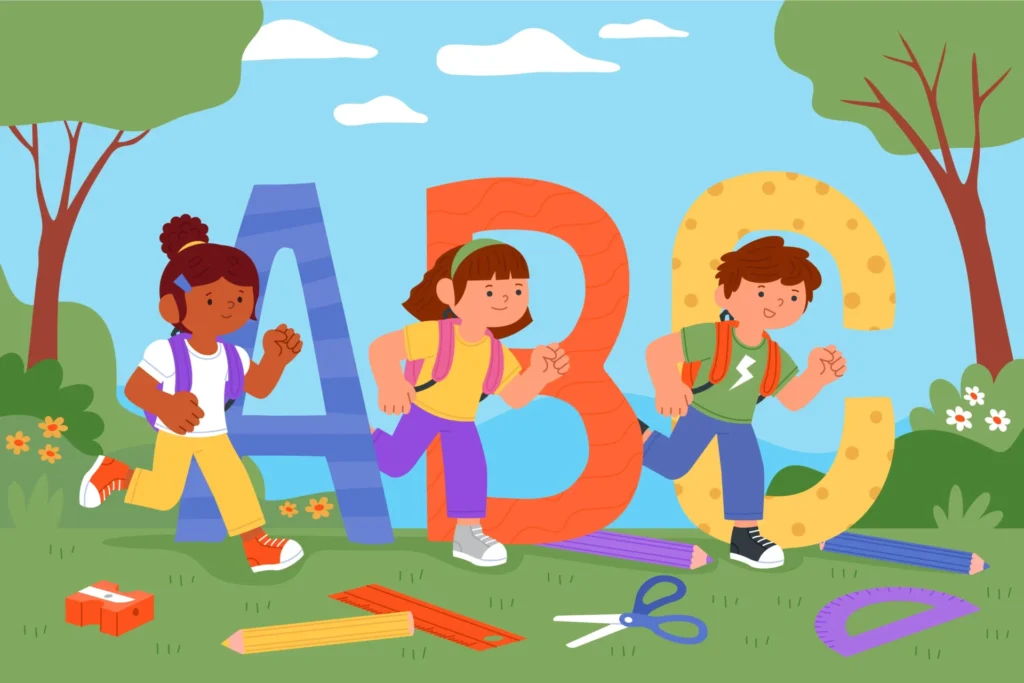
Turn your living room into a letter treasure hunt! How to play:
- Choose 5–8 letters your child is working on.
- Hide magnetic letters, foam letters, or paper cutouts around the room.
- Call out clues: “Can you find the letter that says /b/ like in ‘ball’?”
- Celebrate every discovery with high-fives and silly dances.
Real-life example: When my friend Sarah did an “S Hunt” for her son Sam, he found S’s on the cereal box, the sofa tag, and even the salt shaker. He was so proud he kept pointing out S’s for weeks!
2. Magnetic Letter Magic on the Fridge (or Cookie Sheet)
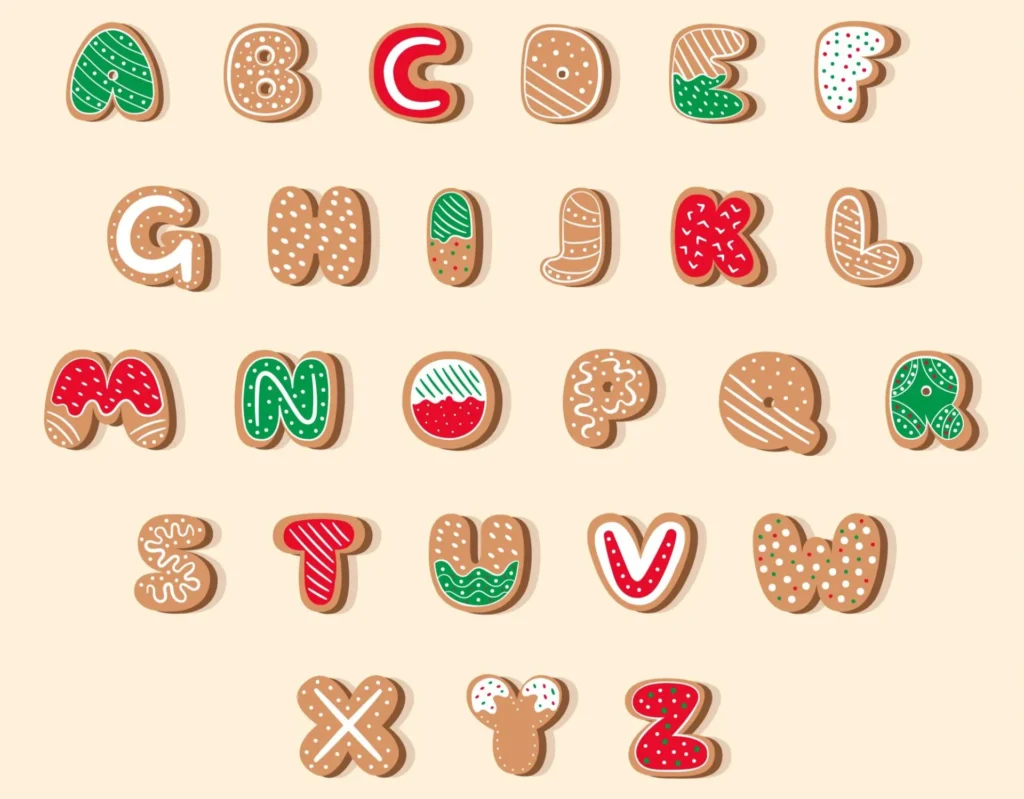
Magnetic letters are worth their weight in gold. Quick games:
- “Letter Fishing” — use a toy fishing rod with a magnet to “catch” letters you call out.
- Build their name or simple words while cooking dinner.
- Sort uppercase and lowercase pairs.
Pro tip: Place a cookie sheet in the car for road-trip letter play!
3. Letter Jump (Gross Motor Fun)
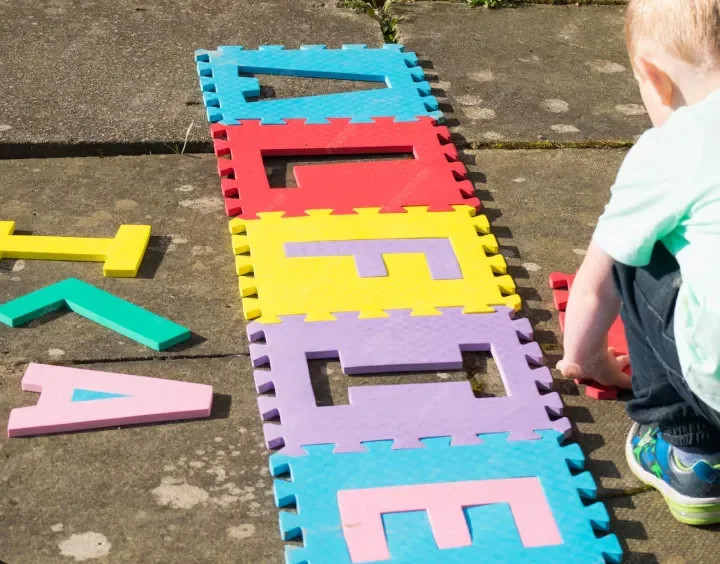
Write letters on sidewalk chalk or painter’s tape on the floor. Call out a letter — your child jumps to it! Add silly instructions: “Hop to the letter that makes the /m/ sound!” or “Twirl to the letter T!”
4. Shaving Cream Writing

Spread shaving cream (or whipped cream for a tasty version) on a tray. Let kids draw letters with their fingers. Messy = memorable!
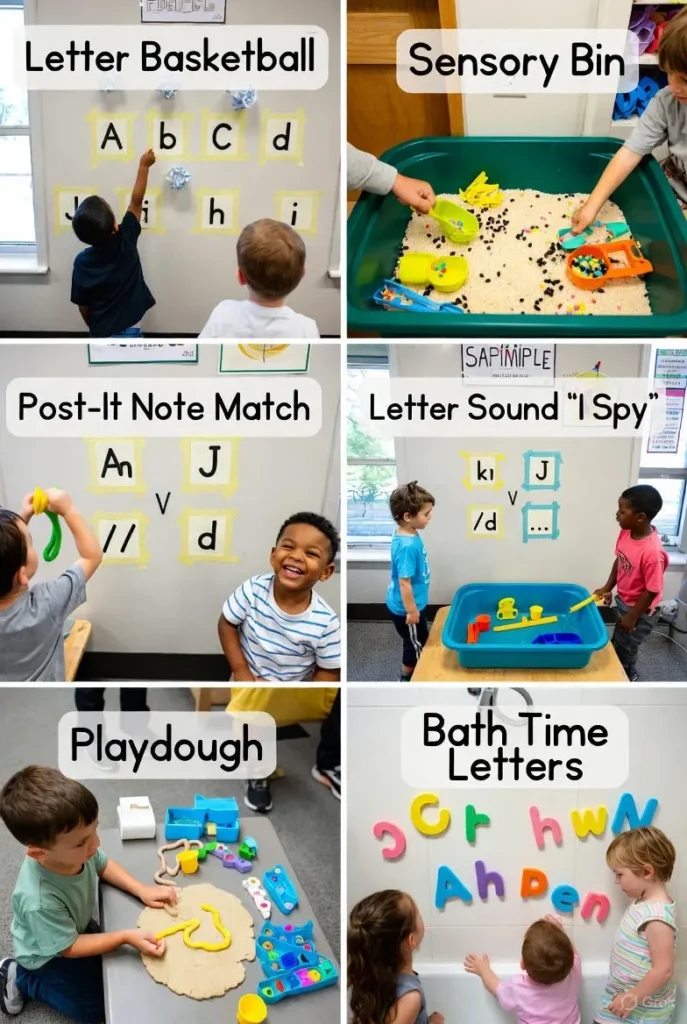
5. Letter Basketball
Tape letters on plastic cups or sticky notes on a wall. Kids crumple paper into “basketballs” and shoot while shouting the letter name or sound.
6. Sensory Bin Letter Dig
Fill a bin with rice, beans, or pom-poms and bury plastic letters. Add scoops, tongs, or small toys for extra fine-motor practice.
7. Post-It Note Match
Stick uppercase letters on one wall and lowercase on another. Kids run back and forth matching pairs. Great for active learners!
8. Letter Sound “I Spy”
“I spy something that starts with /d/…” (point to the dog). Kids race to find an object — then find the letter D.
9. Playdough Letter Stamping or Rolling
Roll playdough “snakes” to form letters or press alphabet stamps into flattened dough.
10. Bath Time Letters
Foam letters stick magically to the tub walls when wet. Spelling names and simple words during bath time is a parent favorite.
Best Letter Recognition Printables (Free & Low-Prep)
Printables are perfect for rainy days, morning baskets, or when you need five minutes of peace.
Here are some of the most effective (and cute!) types:
Do-a-Dot (Bingo Dauber) Pages
Kids love dotting inside giant bubble letters with colorful daubers. Great for hand strength.
Tracing Sheets — Uppercase & Lowercase
Start with large letters and thick lines, then gradually move to smaller ones.
Find and Color the Letter
Example: “Color all the B’s blue and all the b’s brown.” Excellent for visual discrimination.
Clip Cards
Print cards with a focus letter and three picture choices. Kids clip the correct beginning sound with a clothespin.
Letter Mazes & Puzzles
Help the ant crawl through the maze by staying on the letter G’s, or put together four-piece letter puzzles.
Roll & Cover Letter Games
Roll a die, identify the letter in that space, and cover it with a counter. First to cover their board wins!
I-Spy Letter Mats
Search for tiny pictures that begin with the focus letter and circle them.
Step-by-Step: How to Make Your Own Customized Letter Tracing Sheets in Under 5 Minutes
| Step | Instructions |
|---|---|
| 1 | Go to a free site like HandwritingWorksheets.com or WorksheetWorks.com |
| 2 | Choose “Tracing” or “Dotted” font style (we love “Print Clearly” or “DN Cursive”) |
| 3 | Type your child’s name or the letters you’re currently practicing |
| 4 | Select large size (150–200 pt) with dotted lines and starting dots |
| 5 | Add cute clipart or a reward sticker box at the bottom |
| 6 | Print on cardstock and laminate (or slip into a dry-erase pocket) for reuse |
This simple process lets you create perfectly personalized tracing sheets in minutes — no more buying workbooks your child finishes in two days!
Common Challenges with Preschool Letter Recognition (and How to Fix Them)
Challenge 1: Mixing Up b, d, p, and q
Solution: Use the classic “bed” trick — make a bed with your hands (thumbs up, fists together) → left side makes a b, right side makes a d.
Challenge 2: Only Recognizing Uppercase Letters
Solution: Play “Letter Detectives” — go on a walk pointing out letters on signs. Most environmental print uses uppercase, but menus and books use lowercase. Exposure fixes this fast.
Challenge 3: Getting Frustrated with Tracing
Solution: Start with finger tracing in sand, salt trays of salt, or on a foggy window before ever picking up a pencil.
Challenge 4: Short Attention Span
Solution: Keep activities under 8–10 minutes. Rotate through 3 quick games instead of one long one.
Challenge 5: Forgetting Letters After a Few Days
Solution: Review is key! Keep a “Letter of the Week” basket with toys, books, and printables all starting with that letter.
Long-Term Benefits & Advanced Tips
Children who have strong preschool letter recognition skills by age 5:
- Learn to read earlier and with greater ease
- Spell better in elementary school
- Have higher reading comprehension
- Show greater confidence in academic settings
Advanced Tips Once They Know Most Letters:
- Move from recognition → letter sounds (phonics)
- Play “Sound Swap” — “Cat → change /c/ to /h/ → what’s the new word?”
- Introduce simple CVC word building with magnetic letters
- Start environmental print games (“What letters do you see on that cereal box?”)
Conclusion: Make Letter Learning a Joy, Not a Chore
Your preschooler doesn’t need pressure or perfection — they need play, praise, and plenty of repetition wrapped in love. By mixing hands-on games like ABC hunts, magnetic letter play, sensory activities, and occasional targeted tracing sheets, you’re giving them the strongest possible start in literacy.
Pick just one or two ideas from this post today, try them tomorrow, and watch the magic happen. You’ve got this — and your little one is going to be reading your grocery list before you know it!
Happy letter hunting!
Frequently Asked Questions (FAQs)
At what age should a child know all their letters?
Most children recognize most letters between 3½ and 5 years old. Every child develops at their own pace — focus on progress, not perfection.
Should I teach uppercase or lowercase letters first?
Most experts recommend starting with uppercase (they’re easier to distinguish), then introducing lowercase a few weeks or months later.
How long should letter recognition practice last each day?
10–15 minutes of focused playful practice is perfect. Short, frequent sessions beat long, forced ones every time.
My child only wants to play one game over and over. Is that okay?
Absolutely! Repetition builds mastery. Just sneak in new letters within their favorite game (e.g., hide different letters in the same sensory bin each day).
Are worksheets bad for preschoolers?
Not at all when used in moderation and with proper hand strength. Balance is key — combine tracing sheets with plenty of gross-motor and sensory play.