Potty training is one of those big milestones that every parent looks forward to—and sometimes dreads a little too! If you’re navigating preschool potty training, you’re likely dealing with a curious, independent little one who’s ready (or almost ready) to say goodbye to diapers. The good news? A gentle approach makes the process smoother, less stressful, and more positive for both you and your child.
In this comprehensive guide, we’ll walk through a realistic preschool potty training timeline, share encouragement-focused rewards like sticker charts, offer practical accident tips, and explain how to handle the underwear transition. Whether your preschooler is 2.5, 3, or closer to 4, this child-led, pressure-free method builds confidence and turns potty training into a celebration of growing up.
Understanding Readiness for Preschool Potty Training
Before diving into any timeline, the key to success in preschool potty training is recognizing when your child is truly ready. Starting too early can lead to frustration, while waiting for clear signs often shortens the overall process.
Most experts agree that children show readiness between 18 and 36 months, with many preschool-aged kids (around 3 years) falling right in the sweet spot. Signs include:
- Staying dry for longer periods (like 2+ hours)
- Showing interest in the bathroom or others using the toilet
- Communicating needs (verbal or non-verbal cues like squirming)
- Pulling pants up/down independently
- Disliking wet or dirty diapers
For example, imagine your 3-year-old preschooler suddenly announces, “I pee pee!” right before heading to the potty—or follows you into the bathroom mimicking your actions. These are golden readiness cues!
A gentle approach, inspired by child-oriented methods, lets your preschooler lead while you provide supportive guidance. This builds trust and reduces resistance.
The Gentle Preschool Potty Training Timeline: Step-by-Step
A realistic preschool potty training timeline varies by child, but most take 3-6 months for daytime mastery, with many preschoolers achieving consistency faster due to better communication and body awareness.
Phase 1: Preparation (1-4 Weeks)
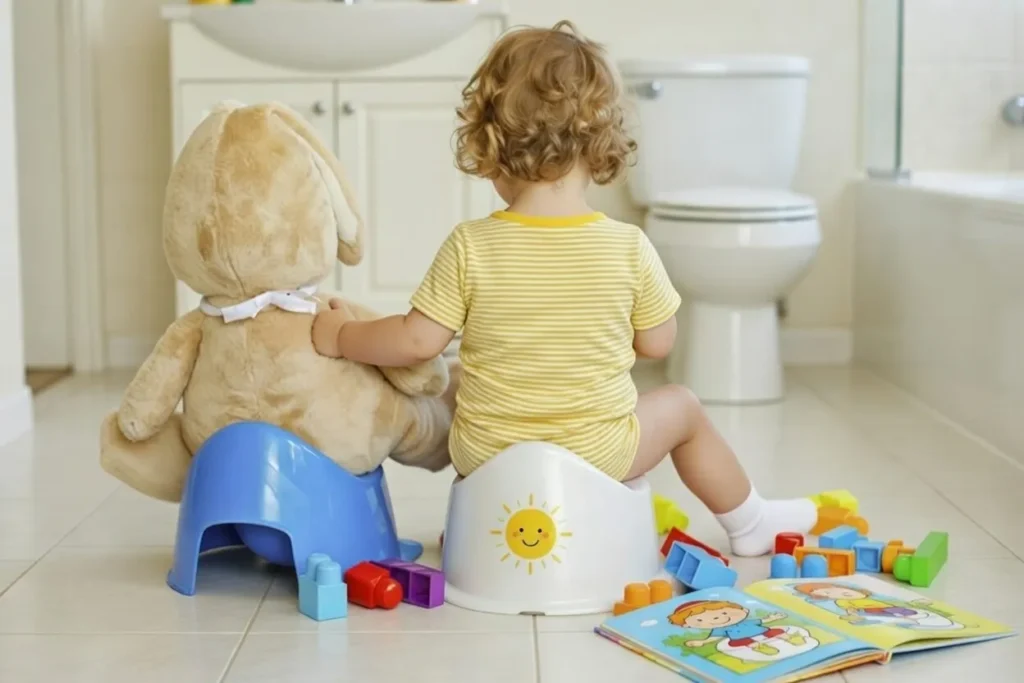
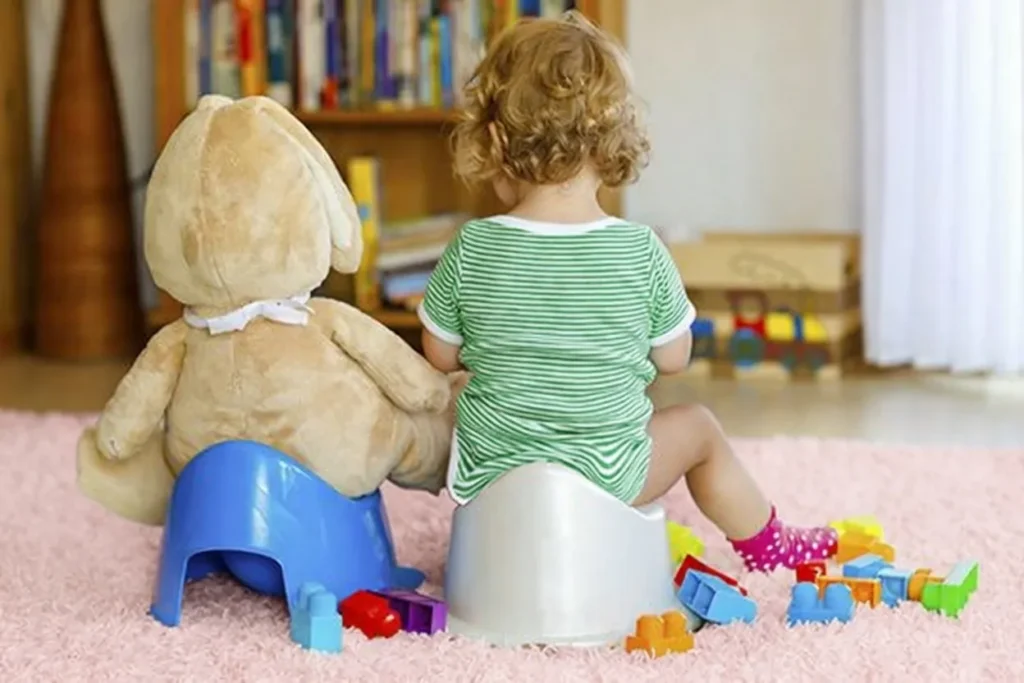
Start introducing the concept without pressure. Place a child-sized potty in the bathroom and let your preschooler explore it—sit on it clothed, decorate it, or read potty-themed books together.
Talk about body signals: “Your tummy feels full? That means it’s time for potty!” Model the process casually. This phase familiarizes them without expectations.
Hypothetical scenario: Little Mia, 3 years old, loved watching her older sibling use the toilet. Her mom placed the potty nearby during playtime, and Mia began sitting on it during story hour—fully clothed at first.
Phase 2: Building Awareness and Routine (2-8 Weeks)
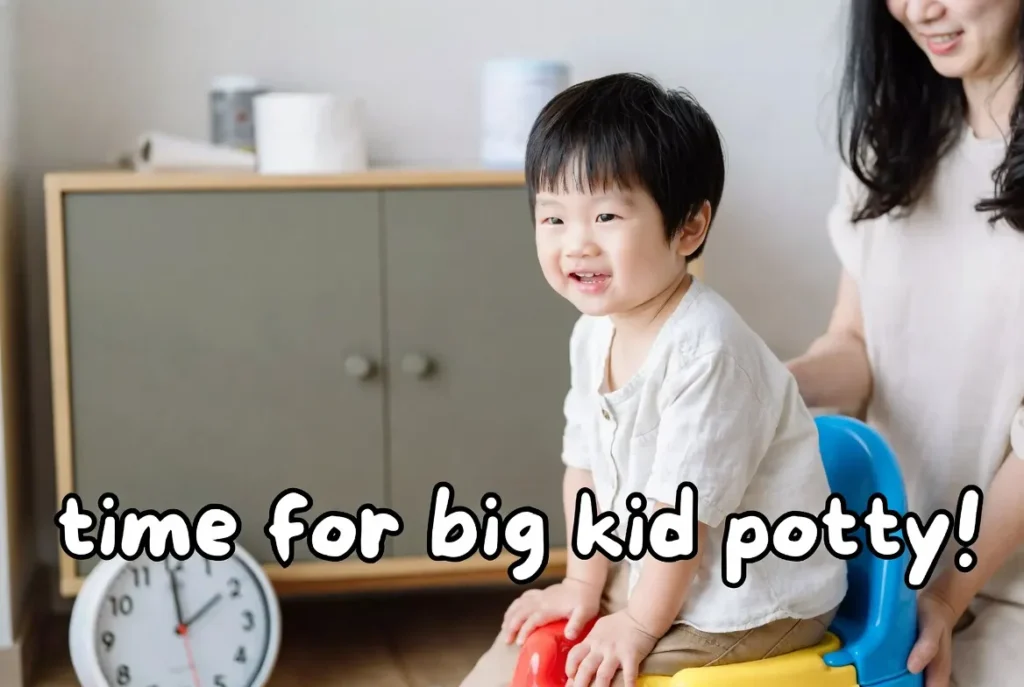
Shift to scheduled sits: every 1-2 hours, after meals, upon waking, and before bed. Use fun language like “time for big kid potty!”
Encourage attempts, praise efforts (“You sat so nicely!“), and clean up accidents calmly. This phase focuses on recognizing urges.
Many preschoolers start having successes here, especially with consistent routines.
Phase 3: Active Training and Rewards (4-12 Weeks)
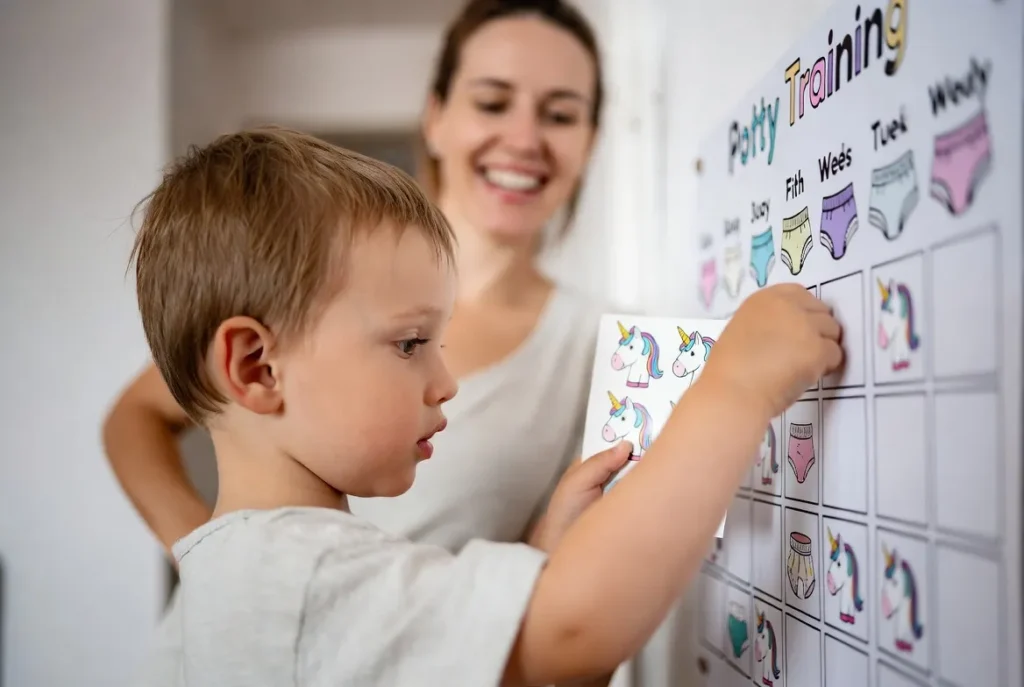
Once they consistently signal or go on the potty, introduce rewards to motivate. Sticker charts work wonders for preschoolers—each successful potty trip earns a sticker, and a full row leads to a small prize (extra storytime, a favorite snack).
Transition to underwear gradually (more on this later). Accidents decrease as they connect the dots.
Real-world example: A mom shared how her 3.5-year-old preschooler resisted at first but lit up with a unicorn sticker chart. After two weeks of earning stickers for every pee/poop on the potty, he proudly declared, “I’m a big boy now!“
Phase 4: Consistency and Independence (Ongoing, 1-3 Months+)
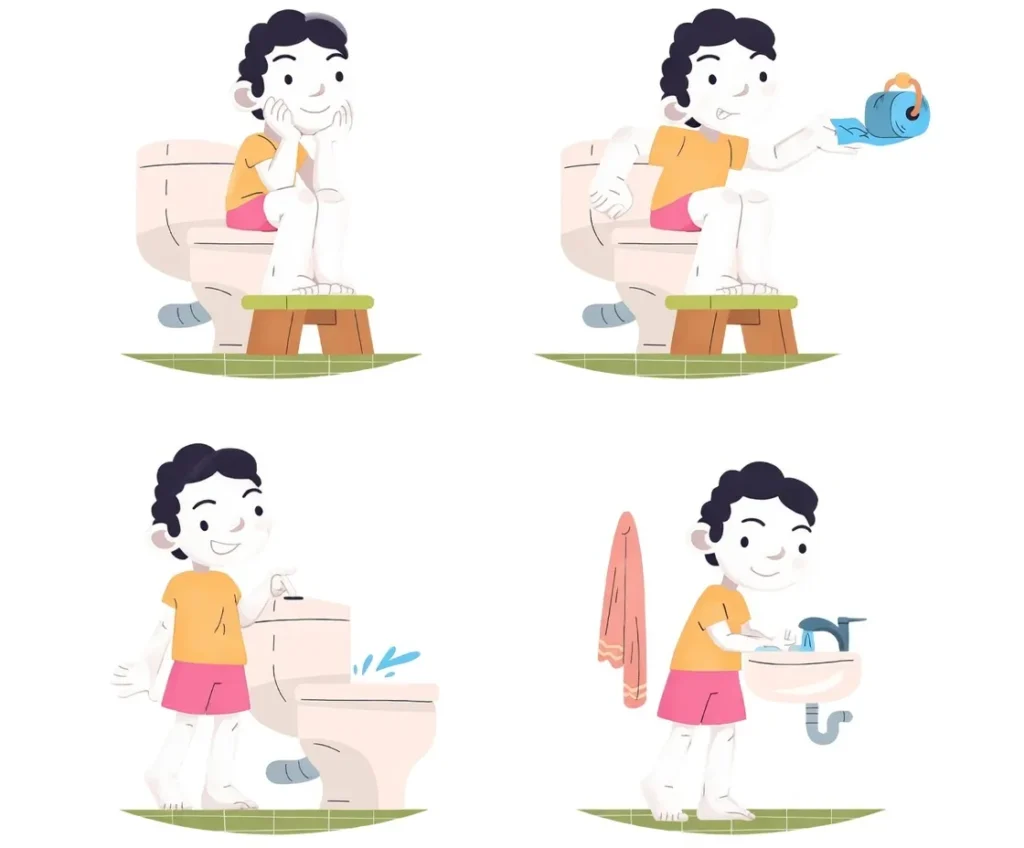
Daytime dryness becomes reliable. Nighttime may lag—keep pull-ups for sleep until dry mornings are consistent.
Handle setbacks gently; regressions are normal during changes like starting preschool.
By the end of this phase, most preschoolers are fully trained during the day.
Effective Rewards: Why Sticker Charts Shine in Preschool Potty Training
Positive reinforcement beats punishment every time in preschool potty training. Rewards make the process fun and empowering.
Sticker charts top the list because they’re visual, immediate, and exciting for young kids. Set up a simple chart with spaces for stickers. Each success gets one; milestones (like 5 stickers) unlock bigger rewards.
Tips for success:
- Choose themed stickers (animals, superheroes) to match your child’s interests
- Pair with verbal praise: “Wow, you listened to your body!”
- Fade rewards gradually as habits form
Other reward ideas: high-fives, songs, or small treats. Avoid food-only systems to prevent over-reliance.
In one family, a preschooler filled his chart in record time because he loved picking a new sticker each time—turning potty trips into a game.
Practical Guide: Step-by-Step Gentle Potty Training Process
Here’s a clear breakdown to make preschool potty training manageable.
| Step | Description | Tips for Success | Common Timeline |
|---|---|---|---|
| 1. Prep the Environment | Get a comfy potty chair, fun books, and underwear ready. | Let child pick their potty for ownership. | Week 1 |
| 2. Introduce Concepts | Talk about potty, model behavior, let them sit clothed. | Use simple words: “pee,” “poop,” “flush!” | Weeks 1-2 |
| 3. Set a Schedule | Potty sits every 1-2 hours + after triggers (meals, play). | Use timers with fun sounds. | Weeks 2-6 |
| 4. Reward Efforts | Sticker for tries/successes; praise generously. | Sticker charts build momentum. | Weeks 4+ |
| 5. Handle Accidents | Stay calm, change quickly, remind gently. | No scolding—say, “Next time, tell me!” | Ongoing |
| 6. Transition to Underwear | Switch fully once consistent; practice outings. | Start home-only, then expand. | Weeks 6-12 |
| 7. Nighttime Readiness | Wait for dry nights; limit evening fluids. | Pull-ups until consistent. | Months 3+ |
This table offers a visual roadmap—adapt as needed for your child’s pace.
Accident Tips: Staying Positive When Things Go Wrong
Accidents are inevitable in preschool potty training—they’re learning opportunities, not failures.
Accident tips include:
- Stay calm and neutral: “Oops, accident! Let’s clean up and try the potty next time.“
- Have them help (wipe, carry clothes to laundry) to build responsibility without shame.
- Analyze gently: Were they too engrossed in play? Set reminders.
- Keep spare clothes handy, especially for preschool drop-offs.
- Prevent with proactive sits: every hour during high-risk times.
Example: When 4-year-old Liam had a setback after starting preschool, his parents used gentle reminders and extra sticker chart motivation. Within days, accidents dropped as he regained confidence.
Never punish—shame can create anxiety and prolong issues.
Mastering the Underwear Transition
The underwear transition marks a huge step in preschool potty training. Once your child has several accident-free days in training pants or bare-bottom time, switch to regular underwear.
Tips:
- Start at home: Go bottomless or commando first to heighten awareness.
- Choose fun, character underwear to excite them.
- Size up slightly for less “diaper-like” feel.
- Practice outings gradually: short trips first.
- Expect a few mishaps—underwear helps them feel wetness quickly, speeding learning.
Many preschoolers thrive once in underwear, as the discomfort motivates quicker potty runs.
Scenario: Sophia, a 3-year-old, resisted until mom bought princess undies. The underwear transition clicked after a weekend of practice, and she stayed dry at preschool within a week.
Addressing Common Challenges in Preschool Potty Training
Challenges arise, but gentle solutions keep things on track.
- Resistance: Pause and retry later—no forcing.
- Poop withholding: Encourage relaxed sits, fiber-rich foods.
- Regression (new sibling, preschool start): Revert to reminders, extra rewards.
- Nighttime delays: Normal; most achieve by 4-6 years.
Myth bust: “Boys take longer”—girls often lead slightly, but individual variation rules.
Patience and consistency win.
You Might Also Like
- Complete Preschool at Home Curriculum for Busy Parents
- Easy DIY Preschool Crafts with Household Items
- Engaging Preschool Math Activities for Number Fun
- Best Preschool Learning Games for Ages 3-5
- Building Preschool Reading Readiness: Phonics Tips
Long-Term Benefits and Advanced Tips for Lasting Success
A gentle preschool potty training approach fosters independence, body awareness, and positive self-esteem. Kids who experience encouragement rather than pressure often handle other milestones confidently.
Advanced tips:
- Involve preschool teachers for consistency.
- Use travel potties for outings.
- Celebrate full milestones (daytime dryness party!).
- Monitor for issues like constipation—consult pediatrician if needed.
Long-term: Dry days lead to dry nights, fewer rashes, and pride in “big kid” status.
Conclusion
Preschool potty training doesn’t have to be a battle. With a gentle timeline, fun sticker charts, smart accident tips, and a smooth underwear transition, you set your child up for success. Every child progresses uniquely—celebrate small wins, stay patient, and enjoy watching them grow.
Start implementing these tips today! Your preschooler is capable, and you’re the perfect guide. You’ve got this!
Frequently Asked Questions
When should I start preschool potty training?
Most children show readiness between 2.5 and 4 years. Look for signs like dry periods and interest in the potty rather than forcing a specific age.
How long does gentle preschool potty training usually take?
Typically 3-6 months for daytime mastery, though many preschoolers catch on faster with consistency and positive rewards.
Are sticker charts effective for potty training rewards?
Yes! Sticker charts provide visual motivation and immediate feedback, helping preschoolers stay engaged without pressure.
What’s the best way to handle accidents during potty training?
Stay calm, clean up matter-of-factly, and gently remind them to listen to their body. Use accident tips like scheduled sits to prevent future ones.
When is the right time for the underwear transition?
After consistent potty successes (few accidents), switch gradually—start home-based, then expand. Fun underwear encourages pride and awareness.